This Korean War timeline follows the conflict from the 1945 division of Korea to the armistice signed on July 27, 1953, covering the invasion, the swings of the front line and the long stalemate that followed. It is built as a dated reference: each turning point is pinned to a real date, and each section explains why that moment changed the course of the war.
When Was the Korean War? Division and Invasion
The question of when was the Korean War has a short answer, June 25, 1950 to July 27, 1953, but the causes start earlier. At the end of World War II the United States and the Soviet Union agreed to divide Korea at the 38th parallel to oversee the removal of Japanese troops. What was meant as a temporary arrangement hardened into two governments, each claiming the whole peninsula. In June 1950 Kim Il Sung’s army crossed the line, and Seoul was captured by June 28. The United States, acting through a United Nations-authorized force, came to the South’s defense, which is why the war is often described as the first armed conflict of the Cold War. For the first few weeks the defenders were outnumbered and short of equipment, and the speed of the collapse surprised Washington as much as Seoul.
Korean War Dates: From Pusan to the Yalu
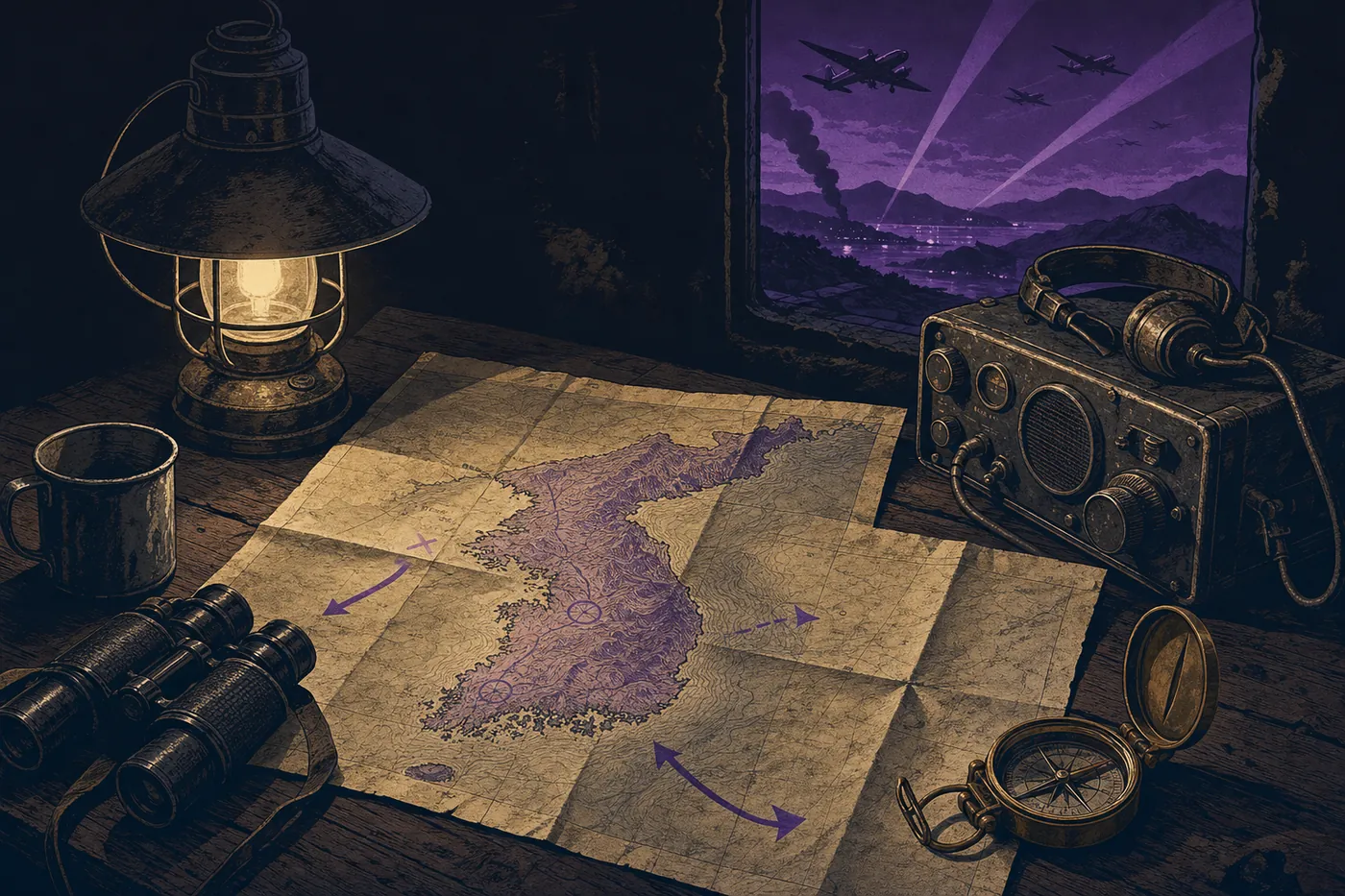
The first months produced the most dramatic reversals of the whole war. By late summer 1950 UN forces were pinned inside the Pusan Perimeter in the far southeast, close to losing the peninsula altogether. On September 15, MacArthur’s landing at Inchon, far up the western coast, cut North Korean supply lines and allowed the recapture of Seoul. UN troops then crossed the 38th parallel, a decision that changed the nature of the war: the aim shifted from restoring South Korea to unifying the peninsula by force. China answered. Its First Offensive began on October 25, 1950, and in the weeks that followed UN forces fell back in a bitter winter retreat. Seoul changed hands again in early January 1951. Anyone working through korean war dates should note how quickly the front moved in these first eight months, and how little it moved afterwards. The cost of that early see-saw was borne largely by civilians, who were displaced in very large numbers as the line swept up and down the peninsula.
A Korean War Timeline of Events: Stalemate and Truce
From spring 1951 the war became a grinding contest along a line close to the original border. In April, Truman relieved MacArthur, who had argued publicly for a wider war; the dismissal set a precedent that elected leaders, not field commanders, decide the limits of a conflict. Truce talks opened in July 1951, but fighting continued for two more years over prisoner exchanges and hills that changed hands at heavy cost. This korean war timeline of events turns slowly in its final phase, because the diplomacy, not the front, was where the war was being decided. The final year was marked by heavy fighting on a few contested ridgelines, even as negotiators argued about how prisoners of war would be returned. Dwight Eisenhower was elected president in 1952 and Stalin died in March 1953, and an armistice followed that July.
Korean War Facts Timeline: What the Armistice Did and Did Not Do
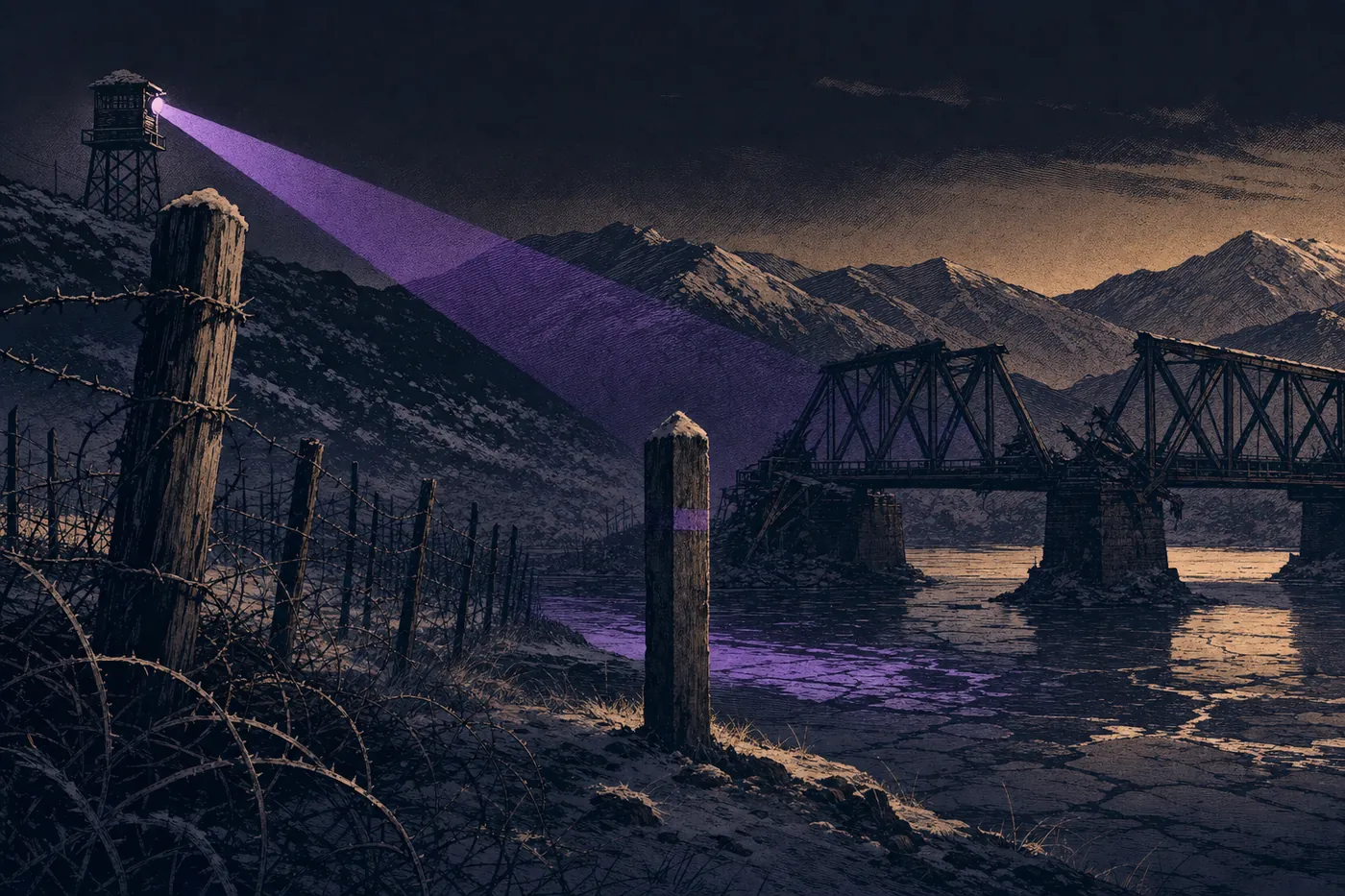
A korean war facts timeline has to end with a caveat, because the usual shorthand of a war that was won or lost does not fit. Neither side achieved its aim. The armistice of July 27, 1953 stopped the shooting and created the Demilitarized Zone, but it was a ceasefire between military commands, not a peace treaty. Technically the war has never formally ended. The peninsula remains divided, and the border area is among the most heavily fortified in the world. The war also reshaped American policy: it also marked the first time the United Nations sent a combined military force to repel an invasion, and it fed a large rise in defense spending and a commitment to contain communism by force, which led directly toward Vietnam. For the wider rivalry behind it, see the Cold War timeline, and for the president who made the decisions, Harry S. Truman.
Frequently Asked Questions
When was the Korean War?
The Korean War ran from June 25, 1950, when North Korean forces crossed the 38th parallel, to July 27, 1953, when the armistice was signed.
Who fought in the Korean War?
North Korea, backed by China and the Soviet Union, fought South Korea and a United Nations force led by the United States.
Why did the Korean War start?
It grew from the postwar division of Korea at the 38th parallel and the rivalry between two governments that each claimed to rule the whole country; North Korea's June 1950 invasion set it off.
Did the Korean War end with a peace treaty?
No. The 1953 armistice ended the fighting and created the Demilitarized Zone, but no peace treaty was ever signed, so the two Koreas remain technically at war.
What was the Inchon landing?
The Inchon landing on September 15, 1950 was an amphibious assault led by General Douglas MacArthur that cut North Korean supply lines and led to the recapture of Seoul.