
Origins: From Wartime Allies to Rival Blocs
The Cold War grew out of the breakdown of the wartime alliance between the United States, the Soviet Union, and Britain once Germany was defeated in 1945. Wartime cooperation gave way to deep disagreement over the political future of Eastern Europe, where Soviet forces had installed friendly communist governments as they advanced, and over the broader question of whether the postwar world would be organized around market democracies or state socialism. By 1947, the split had hardened into policy: President Harry Truman announced what became known as the Truman Doctrine, committing the United States to supporting governments resisting communist takeover, and the following year the Soviet Union blockaded the western-controlled sectors of Berlin, an isolated city deep inside Soviet-occupied East Germany. The Western powers responded with the Berlin Airlift, flying food and fuel into the city for nearly a year rather than abandon it or force the blockade militarily. The episode set a pattern that would recur for decades: confrontation managed through pressure, logistics, and brinkmanship rather than open war between the two sides.
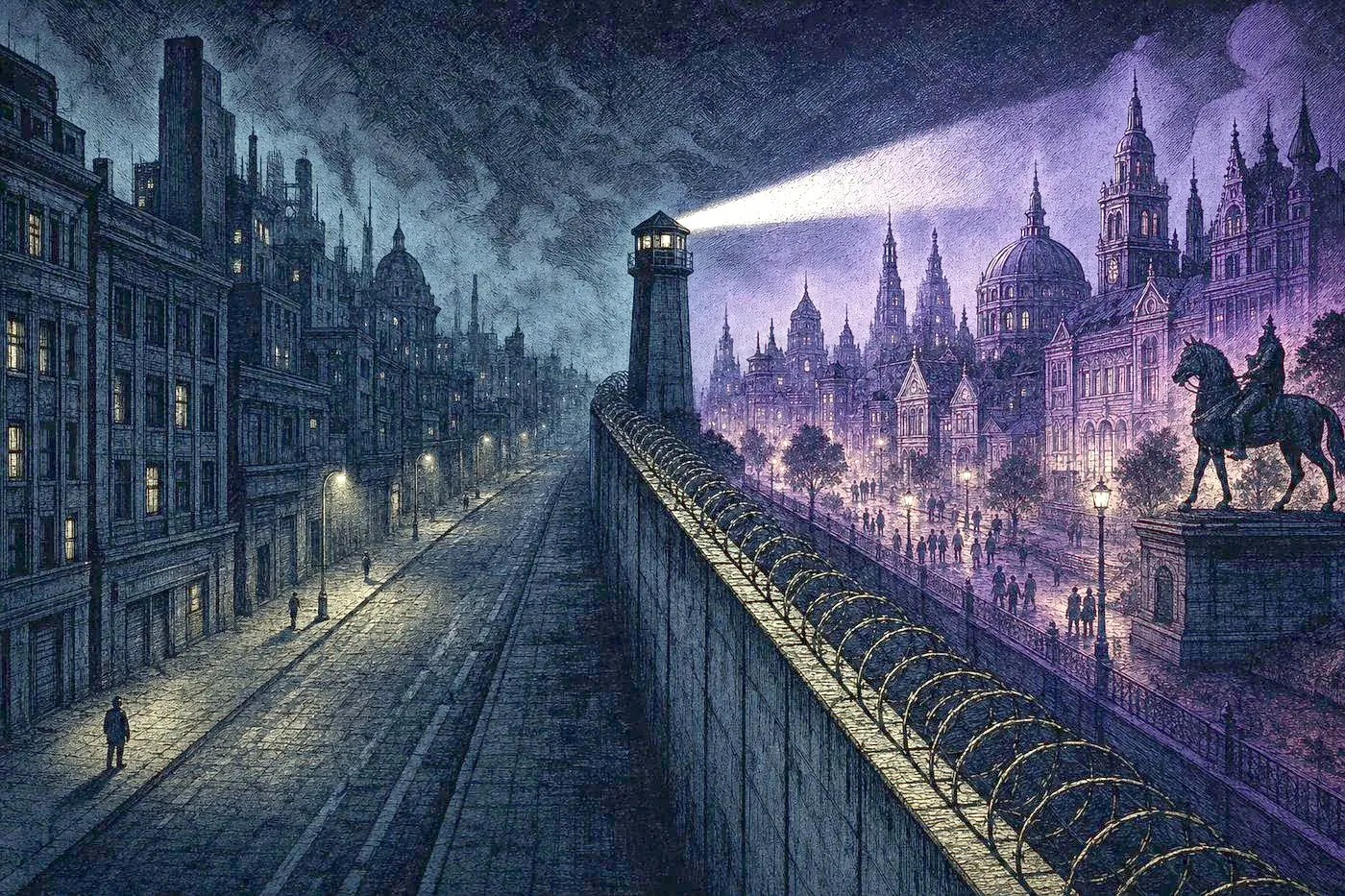
Formal structures followed quickly. In 1949, the United States and its European and North American allies founded NATO, a mutual-defense pact built around the idea that an attack on one member would be treated as an attack on all. The Soviet Union answered in 1955 with the Warsaw Pact, binding it to the communist governments of Eastern Europe. Germany itself split into two states, and Europe divided along what became known as the Iron Curtain, a term popularised by Winston Churchill in a 1946 speech, though the physical and political division it described took shape over the following years.
A Global and Nuclear Rivalry
Although the two superpowers never fought each other directly, the Cold War played out across the globe through proxy conflicts, competing alliances, and an arms race that came to define the era. Wars in Korea and later Vietnam saw American forces fighting communist-backed adversaries, while the Soviet Union backed allied governments and movements in Africa, Asia, and Latin America; Washington did the same in reverse. The most dangerous single episode came in October 1962, when American intelligence discovered Soviet nuclear missiles being installed in Cuba, within easy range of the United States. The Cuban Missile Crisis brought both governments to a standoff that lasted thirteen tense days before a negotiated withdrawal defused it, a moment widely regarded as the closest the two sides came to direct nuclear war.
“Neither side wanted a war neither side could win, and that shared restraint, more than any single treaty, kept the Cold War cold.”
The nuclear dimension shaped strategy throughout the period. Both sides built arsenals large enough that a full exchange threatened catastrophic destruction for both, a condition often summarised as mutual assured destruction. This balance of terror coexisted with periods of genuine diplomatic easing, known as détente, particularly during the 1970s, when arms-control agreements such as the Strategic Arms Limitation Talks sought to slow the pace of the buildup and open channels of communication between Washington and Moscow.
Berlin, Reform, and the End of the Divide
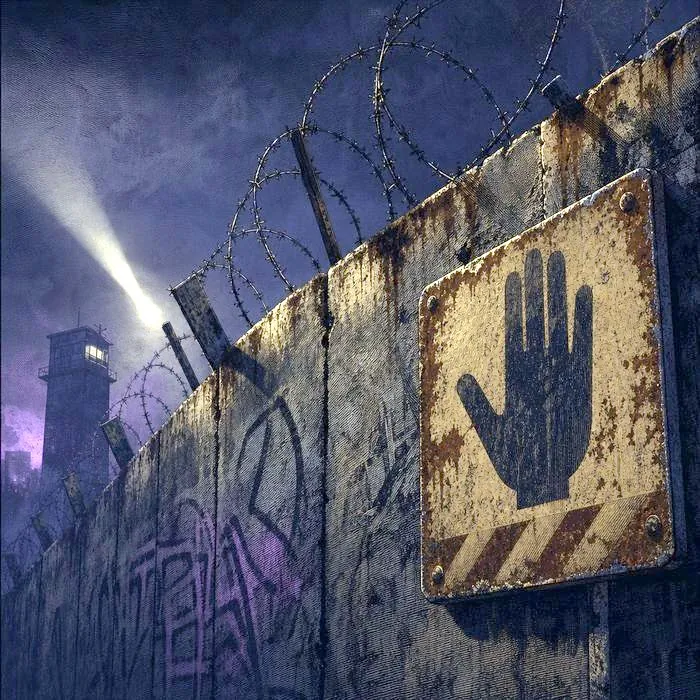
Berlin remained the Cold War’s most visible stage. In 1961, East German authorities, with Soviet backing, built a wall through the city to stop the flow of people leaving for the West, and it stood as the era’s starkest symbol of division for nearly three decades. Tensions eased and sharpened in cycles over the following years, shaped by leadership changes, regional crises, and shifts in Soviet policy. In the mid-1980s, Soviet leader Mikhail Gorbachev introduced reforms known as glasnost (openness) and perestroika (restructuring), intended to revitalise a stagnating Soviet system; instead, they helped accelerate reform movements across the communist states of Eastern Europe. In 1989, as those movements gathered pace, East German officials opened the Berlin Wall’s crossings, and crowds began dismantling it within days, an event that came to symbolise the wider collapse of Soviet-backed governments across the region.
Two years later, in 1991, the Soviet Union itself was formally dissolved, splitting into Russia and a group of newly independent states. The end of the Soviet system closed the ideological and military standoff that had structured international politics since the late 1940s, though many of the alliances, borders, and unresolved tensions it produced continued to shape world affairs long after 1991.