
Origins in Iron Age Central Europe
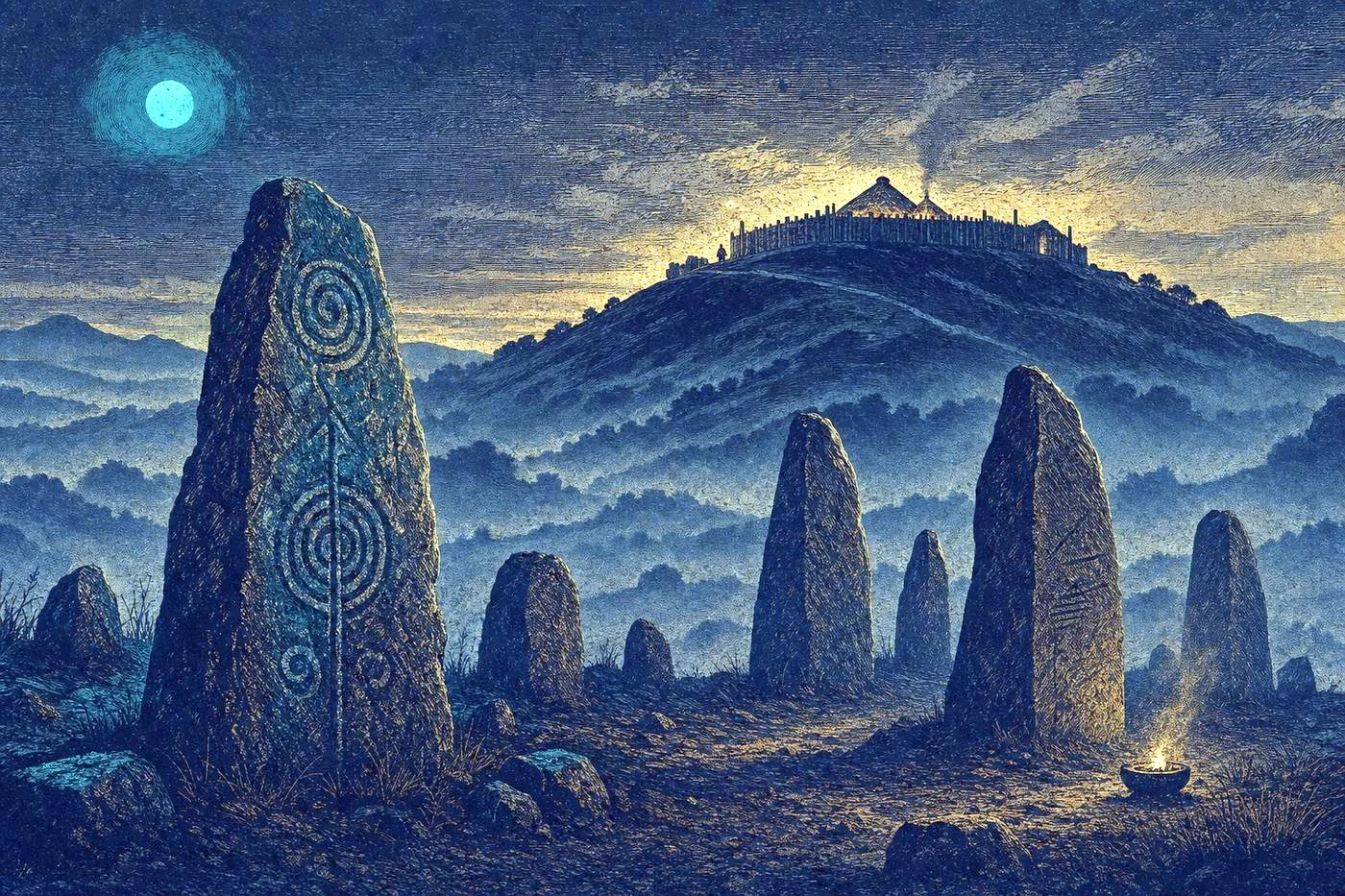
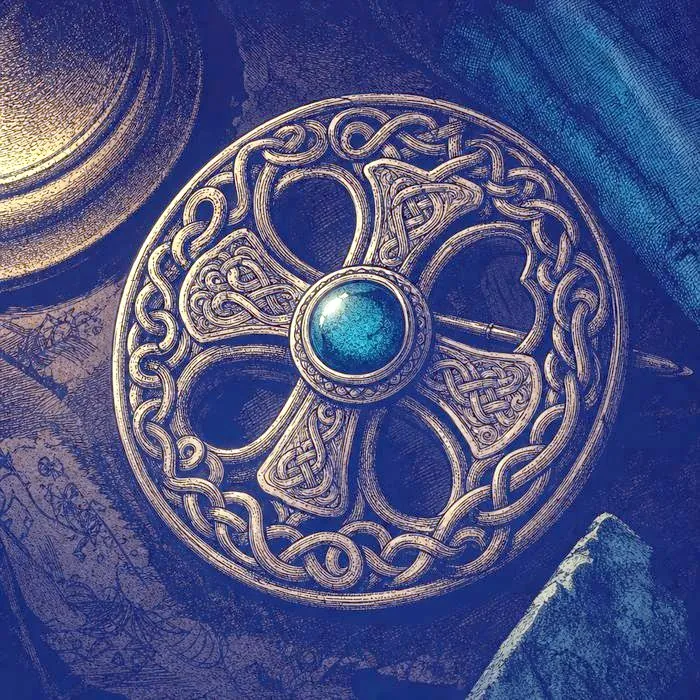
The Celts were not a single unified nation but a broad family of Iron Age peoples across Europe who shared related languages, artistic styles, and social structures, identified today chiefly through archaeology and the accounts of Greek and Roman writers rather than their own written histories. Their origins are conventionally traced to Central Europe, with the Hallstatt culture, named for a site in modern Austria, generally seen as the frame for early Celtic society from around 800 to 450 BC. Hallstatt communities were organized around fortified hilltop settlements and elite burials furnished with imported goods and early ironworking, indicating trade networks reaching into the Mediterranean world. From around 450 BC, a related but more elaborate artistic and cultural phase, known as La Tène culture, emerged, marked by distinctive curvilinear metalwork and expanding Celtic-speaking populations across much of temperate Europe, from Gaul and Iberia to the British Isles and Central Europe. Because the Celts left no substantial written records of their own, much of what is known about their religion and society comes filtered through outside observers, most notably Greek and Roman authors who described a priestly class known as druids, along with a warrior aristocracy and an oral tradition of learning that, by Roman accounts, could take years to master.
Expansion, Conflict, and Settlement
Celtic groups expanded and migrated widely during the following centuries, sometimes through conquest and sometimes through gradual settlement. In 390 BC, though some ancient sources give 387 BC, a Gaulish force is recorded as having defeated a Roman army and sacked much of Rome itself, an event that left a lasting impression on Roman historical memory even though Rome would eventually reverse this humiliation many times over. Celtic peoples also migrated into the Balkans and Anatolia during the third century BC, where a group known as the Galatians settled in what is now central Turkey. In the British Isles, Celtic-speaking cultures had developed by the mid-first millennium BC into a patchwork of tribal territories, often centered on hillforts, without ever forming a single political entity, a pattern that made the Celtic world diverse in custom and dialect even where its material culture and artistic style were widely shared.
Roman Conquest and Cultural Decline
Celtic political independence across much of Western Europe ended under sustained Roman military pressure. Julius Caesar’s campaigns in Gaul, waged between 58 and 50 BC and culminating in the defeat of the Gaulish leader Vercingetorix at the siege of Alesia in 52 BC, brought the bulk of Gaulish territory under direct Roman rule and are described in detail in Caesar’s own written account of the wars. Roman conquest of Britain followed roughly a century later, beginning under the emperor Claudius in 43 AD. Resistance to Roman rule in Britain came to a head in 60 or 61 AD, when Boudica, queen of the Iceni tribe in eastern Britain, led a major revolt that burned several Roman settlements, including Londinium, before being defeated. Celtic language and identity did not disappear with Roman conquest; it persisted and evolved most durably at the western and northern edges of the Roman world, in Ireland, which Rome never conquered, and in parts of Scotland, Wales, and Brittany, laying the groundwork for the Celtic-language cultures that continue in those regions in modified form today. Modern understanding of the Celts remains a subject of ongoing scholarly debate, since the label covers a wide range of related but distinct peoples across a vast span of time and territory, identified as much by shared language family and artistic tradition as by any single shared political identity.