
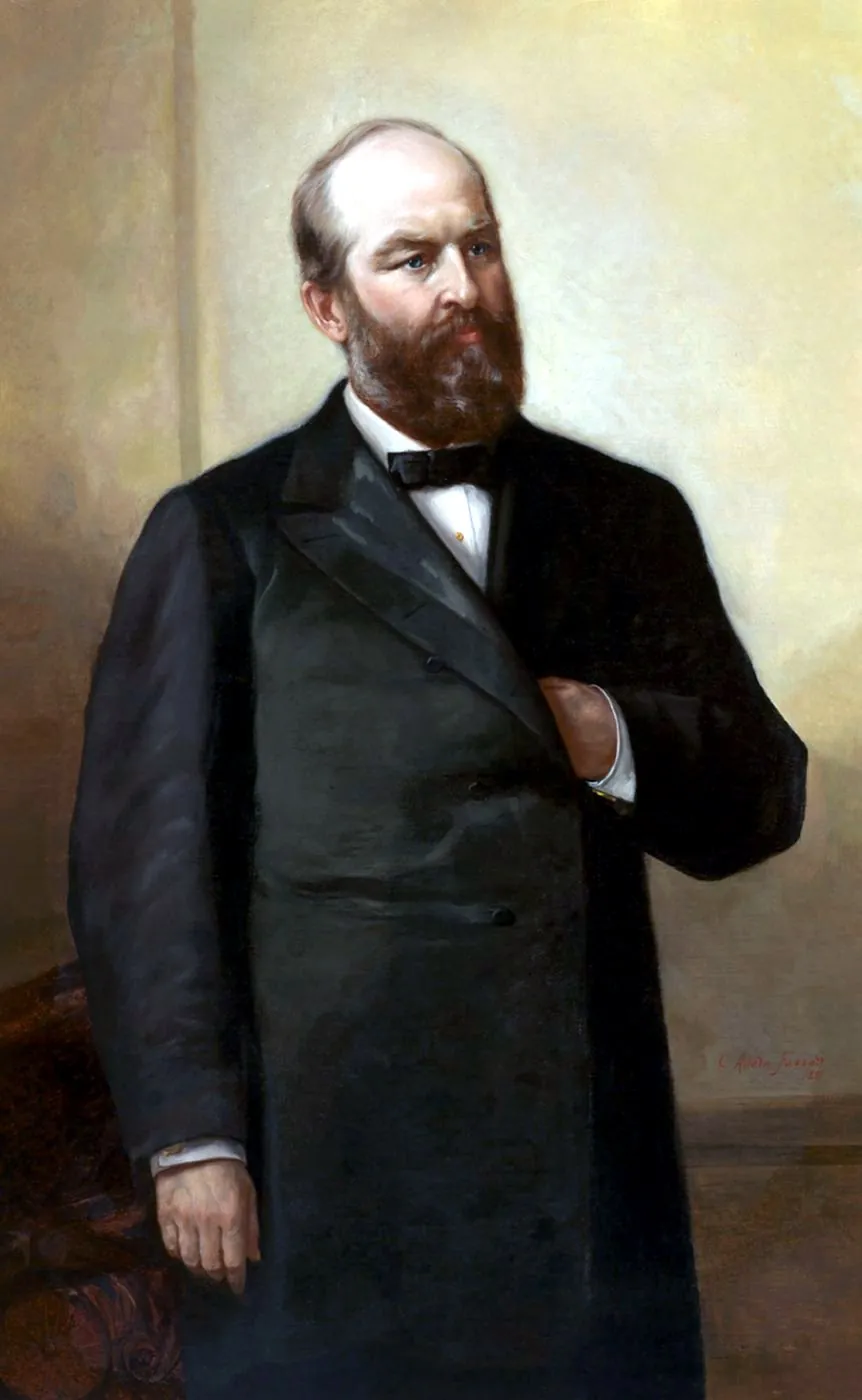
This James Garfield timeline traces his rise from a fatherless Ohio childhood to a presidency ended after only about 200 days by assassination.
Early Life and Rise Through the Civil War and Congress
James Abram Garfield was born on November 19, 1831, in a log cabin in Orange Township, Ohio, and was raised in poverty by his widowed mother after his father died when Garfield was an infant; he remains the last US president born in a log cabin. Largely self-educated in his early years, he worked as a canal boy and carpenter before attending Williams College, graduating in 1856, and then returning to Ohio to teach classics and eventually serve as president of the Eclectic Institute, later Hiram College. When the Civil War began, Garfield helped raise the 42nd Ohio Infantry Regiment and rose rapidly to the rank of major general, distinguishing himself commanding troops at the Battle of Shiloh and serving as chief of staff at the Battle of Chickamauga, before resigning his commission to take a seat in the US House of Representatives, to which he had been elected in 1862. He went on to serve nine consecutive terms in Congress, becoming a respected Republican leader on financial and constitutional matters, and was elected by the Ohio legislature to the US Senate in early 1880, a seat he would never occupy because the Republican presidential nomination intervened first.
A Dark-Horse Presidency Cut Short
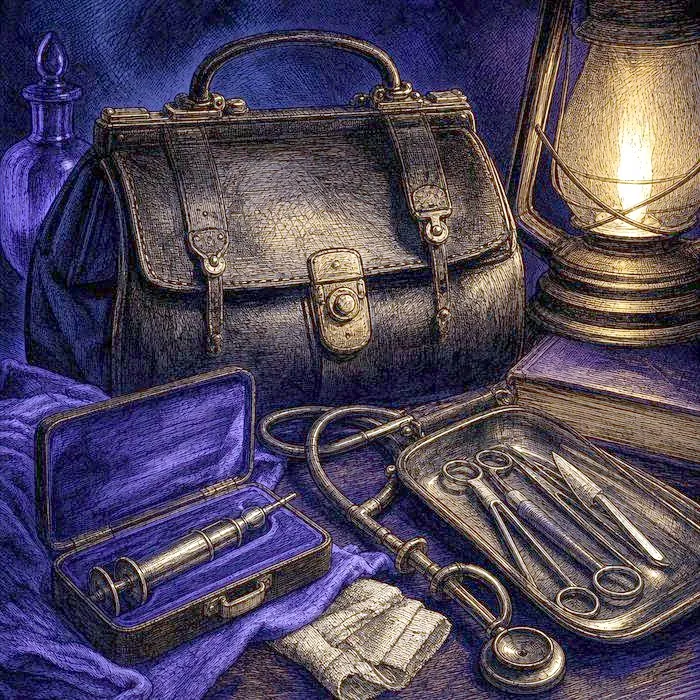
At the deadlocked 1880 Republican National Convention, delegates split between rival factions eventually turned to Garfield as a compromise candidate, nominating him on the 36th ballot. He narrowly defeated Democrat Winfield Scott Hancock in the general election. As president, Garfield moved quickly to assert control over federal patronage appointments, clashing openly with New York Senator Roscoe Conkling, leader of the Republican Party’s pro-patronage “Stalwart” faction, over control of the lucrative New York Customs House, a fight Garfield won when Conkling resigned his Senate seat in protest. This early battle over the spoils system foreshadowed the civil service reforms enacted after Garfield’s death. On July 2, 1881, only about four months into his term, Garfield was shot in the back at a Washington, D.C. railway station by Charles Guiteau, a mentally disturbed and disappointed office seeker who believed he was owed a diplomatic post. Garfield survived the initial shooting but lingered for eleven weeks as several physicians, probing repeatedly for the bullet with unsterilized fingers and instruments, caused a severe infection that ultimately proved fatal; historians and physicians have since concluded that Garfield likely would have survived the wound itself had his doctors practiced the antiseptic techniques already gaining acceptance in Europe.
Death and Legacy
Garfield died on September 19, 1881, in Elberon, New Jersey, where he had been moved in hopes the sea air might aid his recovery. His prolonged and largely preventable death from infection drew national attention to the primitive state of American medical practice and helped build political momentum for change, and Vice President Chester A. Arthur was sworn in as his successor the day after he died. His assassination by a disgruntled office seeker directly contributed to the passage of the Pendleton Civil Service Reform Act of 1883, which began replacing the patronage system with merit-based federal hiring, a reform Garfield himself had begun to champion in office and that his successor, Chester A. Arthur, ultimately signed into law.