This India history timeline traces the subcontinent’s story from the Bronze Age cities of the Indus Valley through a succession of great empires to British colonial rule and independence.
The Indus Valley and Ancient India
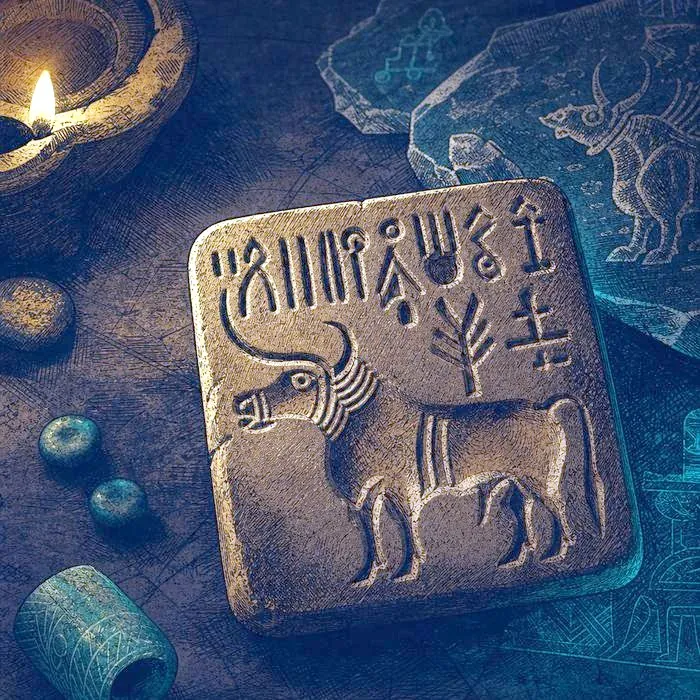
India’s recorded history begins with the Indus Valley Civilization, one of the world’s earliest urban cultures, which flourished from around 2600 BCE across sites in present-day Pakistan and northwestern India, including the cities of Harappa and Mohenjo-daro. These cities featured remarkably advanced urban planning, standardized weights and measures, and a script that remains undeciphered, and the causes of the civilization’s decline after roughly 1900 BCE are still debated among historians. From around 1500 BCE, the Vedic period saw Indo-Aryan-speaking peoples become culturally dominant across northern India; the Sanskrit religious hymns compiled during this era, known as the Vedas, became foundational texts of later Hindu tradition. Over the following centuries, India developed complex kingdoms, urban centers, and long-distance trade, while Buddhism and Jainism emerged as major religious and philosophical movements around the 6th century BCE, founded respectively by Siddhartha Gautama and Mahavira and spreading well beyond India’s borders in the centuries that followed.
Empires: Mauryan to Mughal
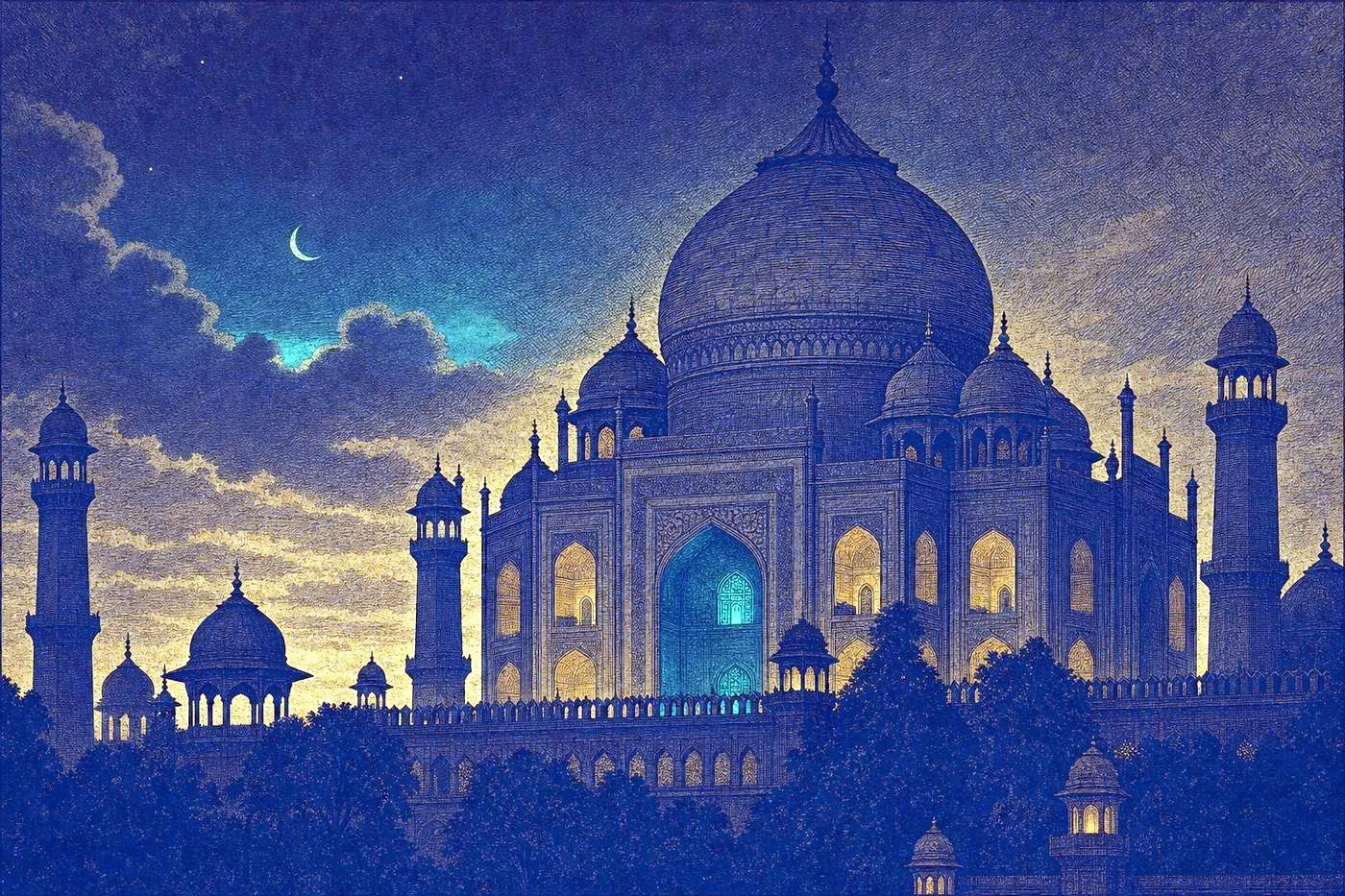
In 322 BCE, Chandragupta Maurya founded the Mauryan Empire, which under his grandson Ashoka in the 3rd century BCE expanded to cover most of the Indian subcontinent and became closely associated with the spread of Buddhism following Ashoka’s own conversion. Later centuries saw a succession of regional empires and dynasties, including the Gupta Empire, often described as a high point of Indian science, mathematics, and the arts. Islamic rule arrived in stages from the 8th century onward, and in 1526 the Central Asian prince Babur defeated the Sultan of Delhi at the First Battle of Panipat, founding the Mughal Empire. Under emperors such as Akbar, Jahangir, and Shah Jahan, the Mughals presided over a vast, wealthy, and culturally rich empire that blended Persian, Central Asian, and Indian artistic traditions, commissioning monuments including the Taj Mahal, completed in the mid-17th century as a mausoleum for Shah Jahan’s wife Mumtaz Mahal. Akbar in particular is remembered for policies of religious tolerance toward his largely Hindu subjects, though the empire gradually weakened after the reign of Aurangzeb in the late 17th and early 18th centuries.
Colonial Rule and Independence
European trading companies, including the British East India Company, established coastal footholds from the 17th century and gradually expanded political control as Mughal authority weakened. Following the widespread uprising of 1857, often called the Indian Rebellion, the British Crown dissolved the East India Company in 1858 and assumed direct rule, governing the subcontinent as the British Raj for nearly a century. A sustained independence movement, led by figures including Mahatma Gandhi through campaigns of nonviolent civil disobedience, eventually forced Britain to withdraw. India became independent on 15 August 1947, but independence arrived together with the Partition of the subcontinent into the predominantly Hindu nation of India and the predominantly Muslim nation of Pakistan, a division accompanied by one of the largest mass migrations in human history and severe communal violence whose effects are still felt in the region today. Jawaharlal Nehru became India’s first prime minister, and the country adopted a new constitution in 1950, establishing itself as a secular, democratic republic that has since grown into the world’s most populous nation.