
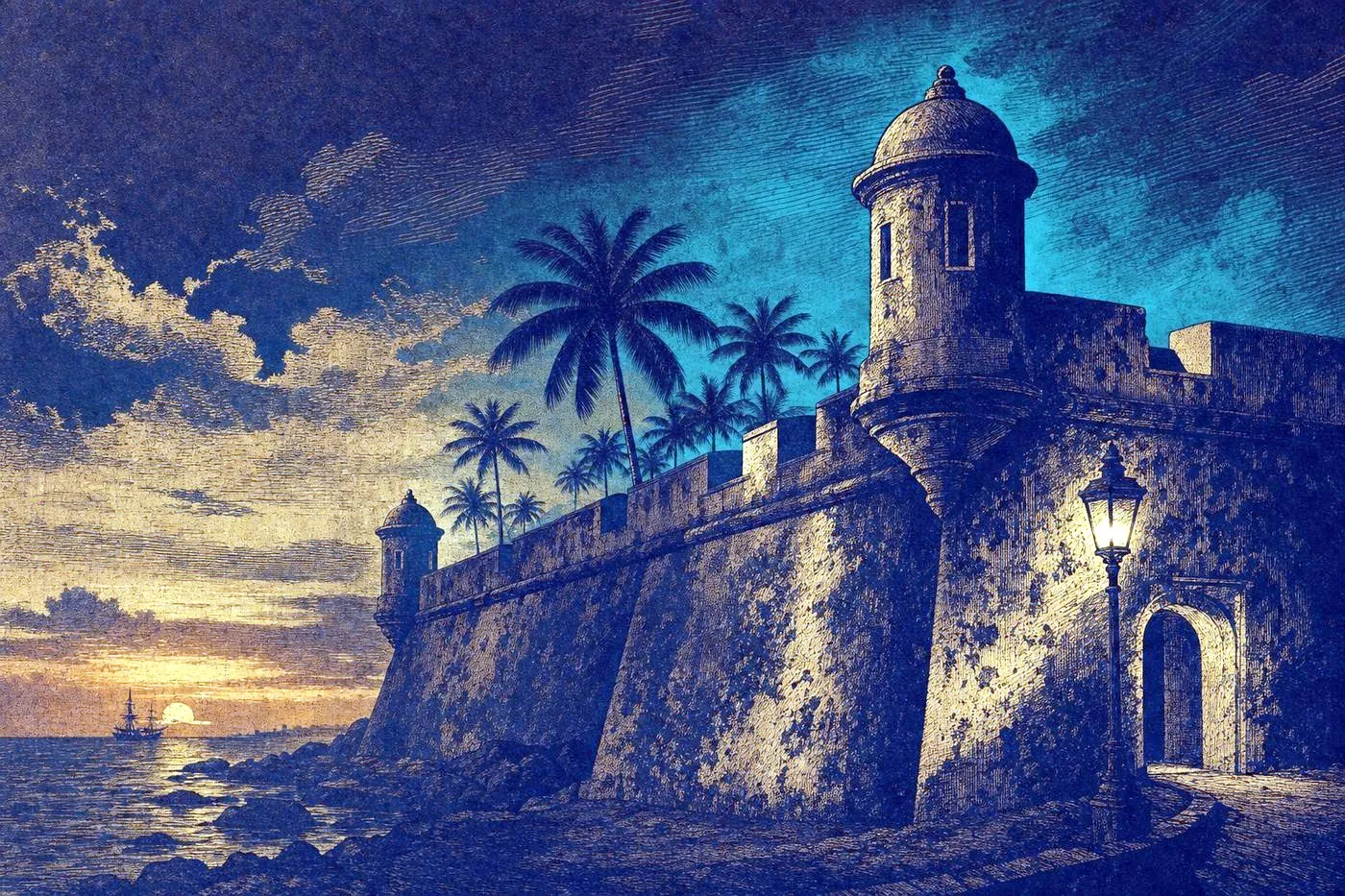
This Cuba history timeline traces the island from Spanish colonization through its 1902 independence to the 1959 revolution that brought Fidel Castro to power.
Spanish Colonization and the Road to Independence
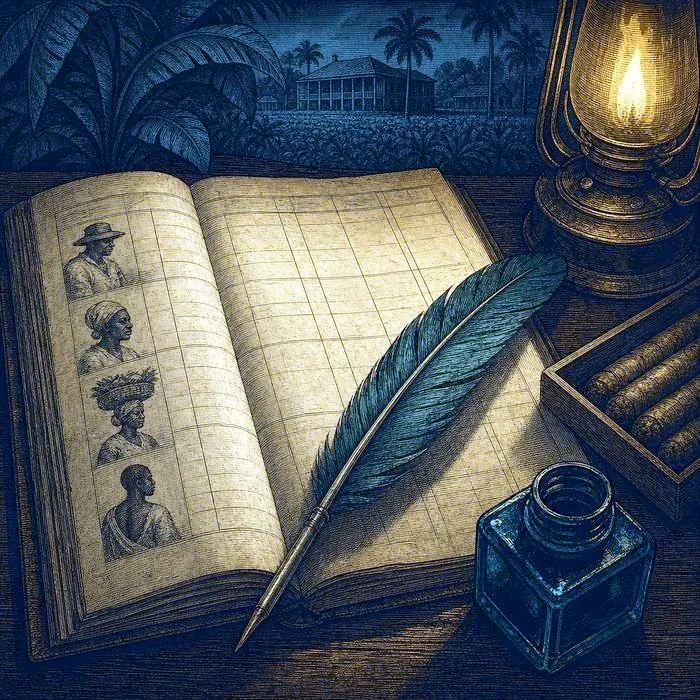
Christopher Columbus’s expedition sighted Cuba in 1492 during his first voyage to the Americas, and Spain subsequently claimed the island, though systematic colonization began somewhat later under Diego Velázquez de Cuéllar, whose expeditions in the 1510s led to the founding of Havana in 1519 and other early settlements. Over the following three centuries, Cuba developed into one of Spain’s most valuable colonies, its economy increasingly built around sugar production sustained by a large enslaved workforce, a system that persisted, in modified form, until the late nineteenth century. Cuban desire for independence grew across the 1800s, erupting first in the unsuccessful Ten Years’ War of 1868–1878, a costly conflict that nonetheless established a tradition of armed insurgency against Spanish rule. A second, shorter uprising in the mid-1880s failed to gain lasting ground, but the struggle resumed more decisively in 1895 under the intellectual and political leadership of José Martí, a poet, journalist, and organizer who had spent years building support for independence from exile in the United States. Martí was killed in combat within weeks of returning to Cuba that same year, but he remained a lasting symbol of the independence cause, and the war he helped launch continued under other commanders for three more years.
Independence and the Early Republic
The United States intervened militarily in 1898 during the brief Spanish-American War, an event that hastened Spain’s withdrawal from Cuba but also opened a period of U.S. military occupation. Formal Cuban independence followed in 1902, though the new republic’s constitution incorporated the Platt Amendment, which granted the United States the right to intervene in Cuban affairs and to maintain a naval base at Guantánamo Bay: an arrangement that shaped, and constrained, Cuban sovereignty for decades. The following half-century saw recurring political instability, punctuated by a 1933 uprising that ended one authoritarian government, and, from that period onward, the growing influence of Fulgencio Batista, a former army sergeant who first ruled through allied civilian presidents and then, after seizing power directly in a 1952 coup, governed as an authoritarian president through the 1950s with substantial U.S. business and government support. Havana in this period became known for its casinos, nightlife, and close ties to American organized crime, even as inequality and rural poverty remained widespread across the island.
Revolution and Its Cold War Aftermath
Opposition to Batista’s government coalesced around a guerrilla movement led by Fidel Castro, which, after several years of rural insurgency, overthrew Batista on January 1, 1959. The new government moved quickly to nationalize industry and align with the Soviet Union, prompting a rapid deterioration in relations with Washington. A U.S.-backed exile invasion at the Bay of Pigs in April 1961 ended in failure, and the following year the discovery of Soviet nuclear missiles on the island triggered the Cuban Missile Crisis of October 1962, among the tensest confrontations of the entire Cold War. Washington responded with an economic embargo, first imposed in 1960 and progressively tightened over subsequent decades, that remains in force in some form to this day. The revolutionary government under Castro, and later his brother Raúl Castro, remained in power for decades afterward, and Cuba’s political and economic relationship with the United States has continued to evolve, with periods of both confrontation and limited rapprochement, including a brief diplomatic thaw in the mid-2010s, persisting into the twenty-first century.