This Panama history timeline traces the country from Spanish colonial exploration through independence and the construction of the Panama Canal, one of the most consequential engineering projects in modern history.
Spanish Colonization and the Isthmus Crossing
Panama’s recorded history begins with Spanish exploration in the early sixteenth century. In 1513, the explorer Vasco Núñez de Balboa led an expedition across the narrow isthmus and became the first European to see the Pacific Ocean from the shores of the Americas, a discovery that immediately marked Panama as a uniquely valuable crossing point between the Atlantic and Pacific. Spain subsequently used the isthmus as a key overland route for transporting silver and goods from its South American colonies to ports on the Caribbean side, and Panama City, founded in 1519, became an important administrative and trading center within the Spanish colonial empire for the following three centuries.
Spanish colonial rule in Panama ended in 1821, when the isthmus declared independence from Spain. Rather than establishing itself as an independent nation, Panama chose to join Simón Bolívar’s newly formed Gran Colombia. After that larger union dissolved in the 1830s, Panama remained a province of the Republic of Colombia for the rest of the nineteenth century, a period marked by repeated but unsuccessful separatist movements and growing foreign interest in the isthmus as a potential canal route.
Independence from Colombia
That foreign interest, particularly from the United States, culminated in 1903. When Colombia’s government refused to ratify a treaty granting the United States rights to build and control a canal across Panama, a Panamanian independence movement, with the support of the U.S. Navy, declared independence from Colombia. The new republic was recognized within days, and Panama promptly signed a treaty granting the United States rights to build and administer a canal zone, a decision that would shape the country’s economy and sovereignty for the rest of the twentieth century.
Building and Transferring the Panama Canal
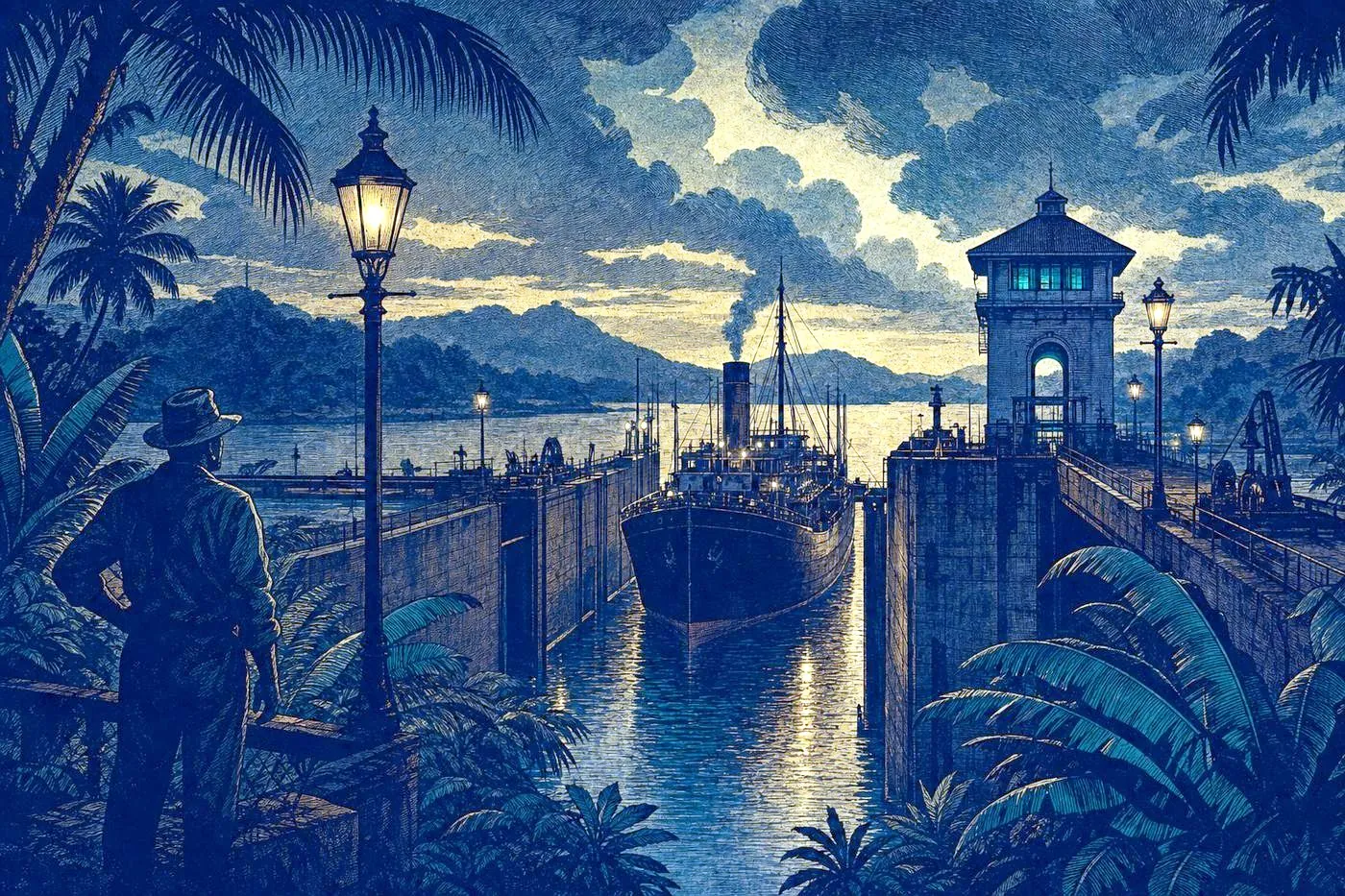
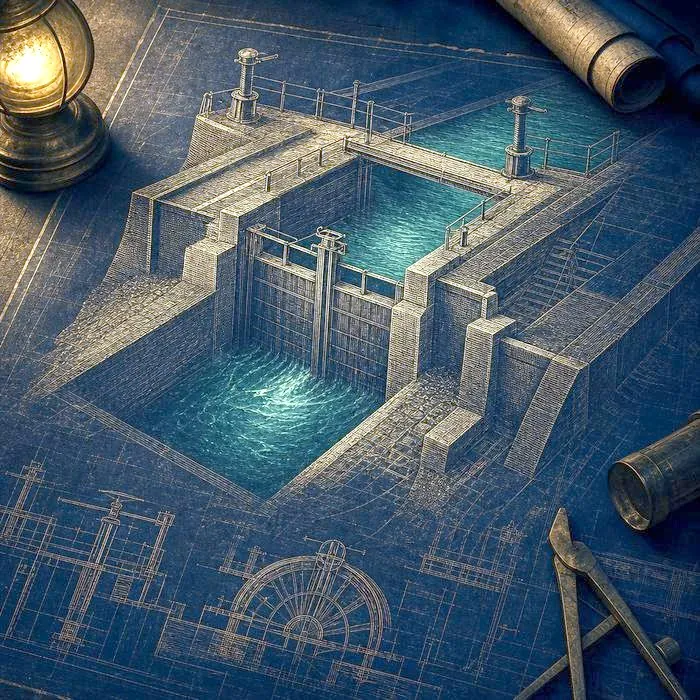
Construction of the Panama Canal had first been attempted by a French company under Ferdinand de Lesseps in the 1880s, but the effort collapsed due to disease, financial mismanagement, and the immense engineering challenge of cutting through the isthmus. The United States took over the project in 1904, applying improved sanitation measures that dramatically reduced deaths from yellow fever and malaria among the workforce, alongside major engineering advances including the Gatun Lake reservoir and a system of locks. The canal opened to shipping in 1914, transforming global maritime trade by allowing ships to avoid the long and hazardous route around South America.
The canal, and the surrounding Canal Zone administered directly by the United States, remained a source of tension in U.S.-Panama relations for much of the twentieth century. Negotiations led to the 1977 Torrijos-Carter Treaties, under which the United States agreed to gradually transfer control of the canal to Panama. That process concluded on December 31, 1999, when full control and operation of the Panama Canal passed to the Panamanian government, an event widely regarded as a defining moment in the country’s modern sovereignty.
Frequently Asked Questions
What does this Panama history timeline cover?
This timeline covers Panama's history from Balboa's 1513 crossing of the isthmus through Spanish colonization, independence from Spain and later Colombia, and the construction and eventual transfer of the Panama Canal.
When did Panama become independent?
Panama first declared independence from Spain in 1821, joining Gran Colombia. It later separated from Colombia entirely in 1903, becoming the fully sovereign republic it is today.
Who built the Panama Canal?
A French company first attempted construction in the 1880s but failed. The United States took over the project in 1904 and completed the canal, which opened in 1914.
When did Panama gain full control of the canal?
Panama gained full control of the canal on December 31, 1999, under the terms of the 1977 Torrijos-Carter Treaties, which had set out a gradual transfer of authority from the United States.