
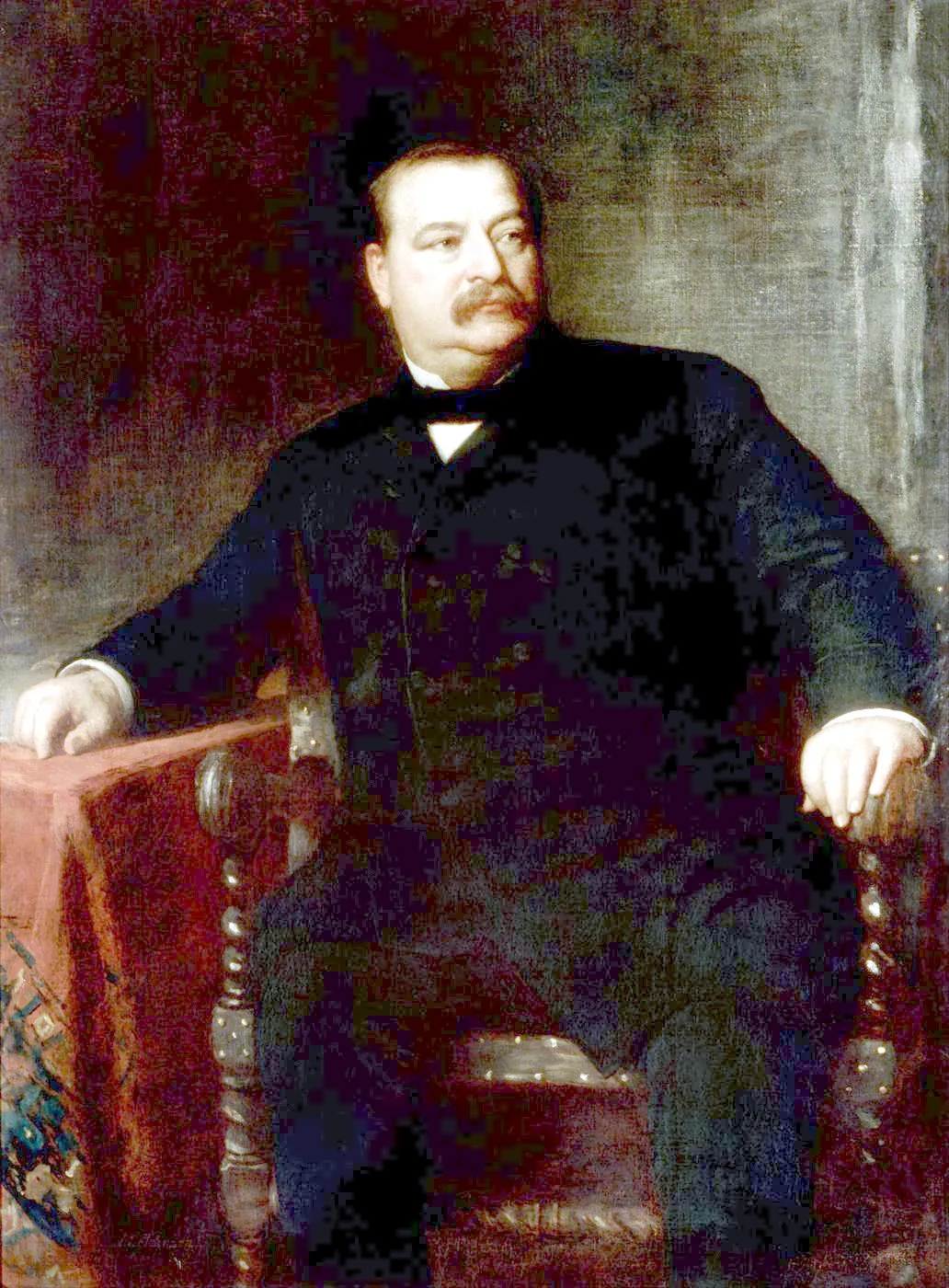
This Grover Cleveland timeline traces the only president to serve two non-consecutive terms, from a Buffalo law office through a reputation for blunt honesty, a lost reelection, and an improbable political comeback.
Early Life and the Reform Mayor of Buffalo
Stephen Grover Cleveland was born on March 18, 1837, in Caldwell, New Jersey, one of nine children of a Presbyterian minister who moved the family to New York State during Cleveland’s childhood. He trained as a lawyer in Buffalo and worked his way up through local Erie County politics, serving as sheriff before winning election as Buffalo’s mayor in 1881. His single year as mayor established the reputation that would define his career: voters and newspapers nicknamed him “Grover the Good” for vetoing wasteful spending and resisting the patronage demands of his own Democratic Party machine. That reputation for plain-spoken integrity carried him to the New York governorship in 1882, where he continued clashing with party bosses, including the powerful Tammany Hall organization, while building a national reputation as a reformer untainted by the era’s rampant political corruption. Cleveland’s personal reputation for bluntness ran deep: as Erie County sheriff years earlier, accounts from the period describe him personally carrying out at least one execution rather than delegating the task to a subordinate, a detail later cited by opponents and admirers alike as evidence of his unusual willingness to take direct responsibility.
Two Elections, a Defeat, and an Unmatched Comeback
Cleveland’s reputation for honesty made him an appealing presidential candidate at a moment when Gilded Age politics were widely seen as corrupt, and in 1884 he defeated Republican James G. Blaine to become the first Democrat elected president since before the Civil War. His first term featured vetoes of hundreds of what he considered unjustified private pension bills for Civil War veterans and support for lower tariffs, a position that became the defining issue of the 1888 campaign.
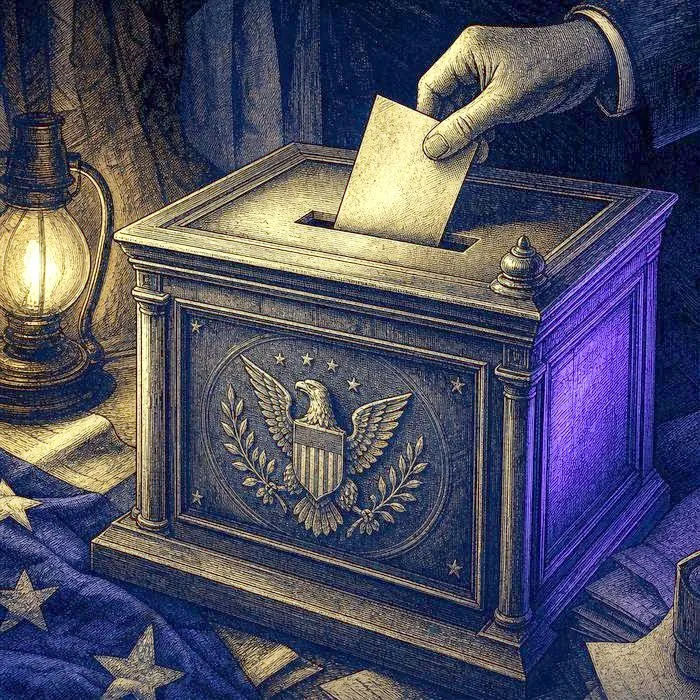
In June 1886, partway through his first term, Cleveland married Frances Folsom in a ceremony held in the White House, making him the only president to marry while in office and Frances, at 21, the youngest first lady in American history. In the 1888 election, Cleveland won the national popular vote but lost the Electoral College to Benjamin Harrison, leaving the presidency after a single term. Rather than fade from politics, Cleveland ran again in 1892 and defeated Harrison in a rematch, becoming the only individual in American history to serve two non-consecutive presidential terms and, as a result, both the 22nd and 24th president.
Second Term Crisis and Later Life
Cleveland’s second term was almost immediately overwhelmed by the Panic of 1893, a severe economic depression marked by bank failures and mass unemployment. He pushed through the repeal of the Sherman Silver Purchase Act, arguing that its silver-backed currency provisions were undermining confidence in the gold standard, a move that deeply divided his own party. In 1894, he sent federal troops to break the Pullman Strike near Chicago after rail disruptions threatened mail delivery, a decision that further alienated organized labor and much of his party’s populist wing. He also withdrew a proposed treaty to annex Hawaii that his predecessor Benjamin Harrison had submitted to the Senate, objecting to the manner in which the Hawaiian monarchy had been overthrown; annexation would not go forward until after McKinley’s presidency. Worn down by an unpopular second term, Cleveland did not seek renomination in 1896 and retired to Princeton, New Jersey, where he remained active in civic and university affairs. He died there on June 24, 1908, remembered as a president whose reputation for personal honesty outlasted the political controversies of his two, non-consecutive terms.