
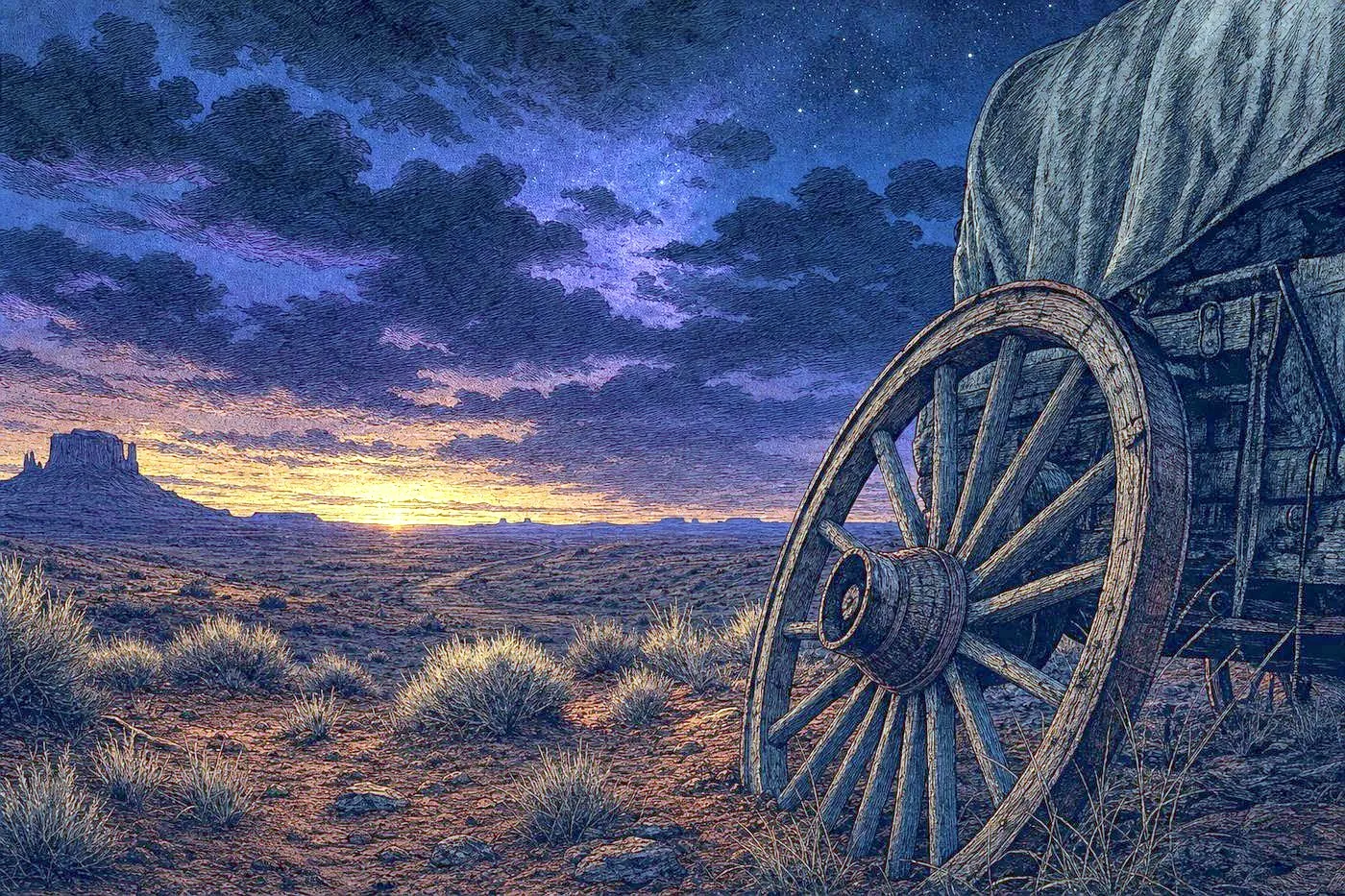
This Oklahoma history timeline traces the state’s complex journey from Indian Territory through forced displacement, rapid settlement, and statehood, to its modern role as a center of energy and tribal sovereignty.
Indian Territory and Displacement
Before its transformation into a state, Oklahoma was designated as Indian Territory in 1834, becoming the federal government’s solution to removing Eastern tribes from their homelands. The Cherokee, Creek, Seminole, Chickasaw, and Choctaw Nations, along with others, were forcibly relocated westward, often under horrific conditions. The Cherokee removal in 1838, known as the Trail of Tears, resulted in the deaths of thousands during the forced march from the Southeast to Indian Territory. This period, though tragic, established Oklahoma as a center of Native American sovereignty and culture, with tribal nations recreating their governments and communities across the territory.
The Land Run and Sudden Settlement
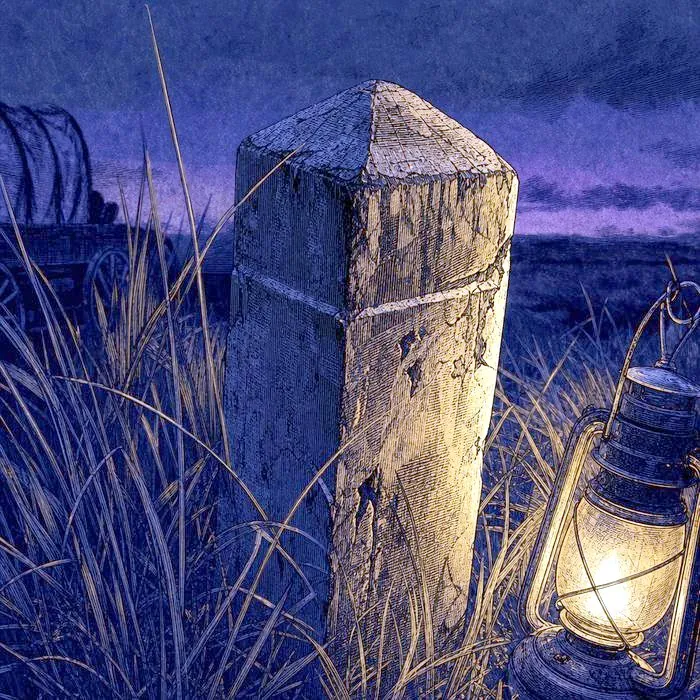
The Land Run of April 22, 1889, dramatically reversed the federal government’s promises of permanent tribal homelands. On a single day, approximately 50,000 settlers lined up at the territory’s borders, awaiting the signal to race for free homesteads. The rush, undertaken on horseback, by wagon, and on foot, claimed hundreds of thousands of acres in hours. The “Sooners,” who jumped the gun to get early advantage, became part of Oklahoma folklore. This chaotic, large-scale settlement fundamentally altered the demographic and political landscape, introducing Anglo and immigrant populations into a region that had been designated for Native American nations.
Statehood, Oil, and Economic Transition
Oklahoma achieved statehood on November 16, 1907, the 46th state to join the Union. The timing coincided with the discovery of vast oil reserves beneath Oklahoma soil. The subsequent oil boom transformed towns like Tulsa into wealthy enclaves and made Oklahoma a significant contributor to American energy production. Oil wealth funded infrastructure, education, and growth throughout the early 20th century, though much of that wealth flowed to non-Native settlers and corporations rather than to the tribal nations whose lands lay beneath the oil.
Today, Oklahoma balances its industrial heritage with agriculture, energy production, and a renewed recognition of tribal sovereignty. The state is home to 39 federally recognized Native American tribes, and tribal nations continue to exercise sovereign authority within their territories. Modern Oklahoma honors this complex history while embracing economic diversification and cultural preservation.
Frequently Asked Questions
What was Indian Territory?
Indian Territory was land designated by the federal government in 1834 as the destination for forced relocation of Eastern tribes, including the Cherokee, Creek, Seminole, Chickasaw, and Choctaw Nations. It encompassed much of present-day Oklahoma.
What was the Trail of Tears?
The Trail of Tears was the forced removal of the Cherokee Nation from the Southeast to Indian Territory in 1838. The journey resulted in thousands of deaths from disease, starvation, and exposure, and remains a profound tragedy in American and Native American history.
What was the Land Run of 1889?
On April 22, 1889, approximately 50,000 settlers raced to claim free homesteads across Indian Territory. The Land Run is remembered as one of the fastest settlement events in American history and fundamentally changed Oklahoma's demographics and political landscape.
When did Oklahoma become a state?
Oklahoma was admitted to the Union on November 16, 1907, as the 46th state. Statehood followed the passage of the Curtis Act, which dissolved tribal governments and opened tribal lands to settlement.