
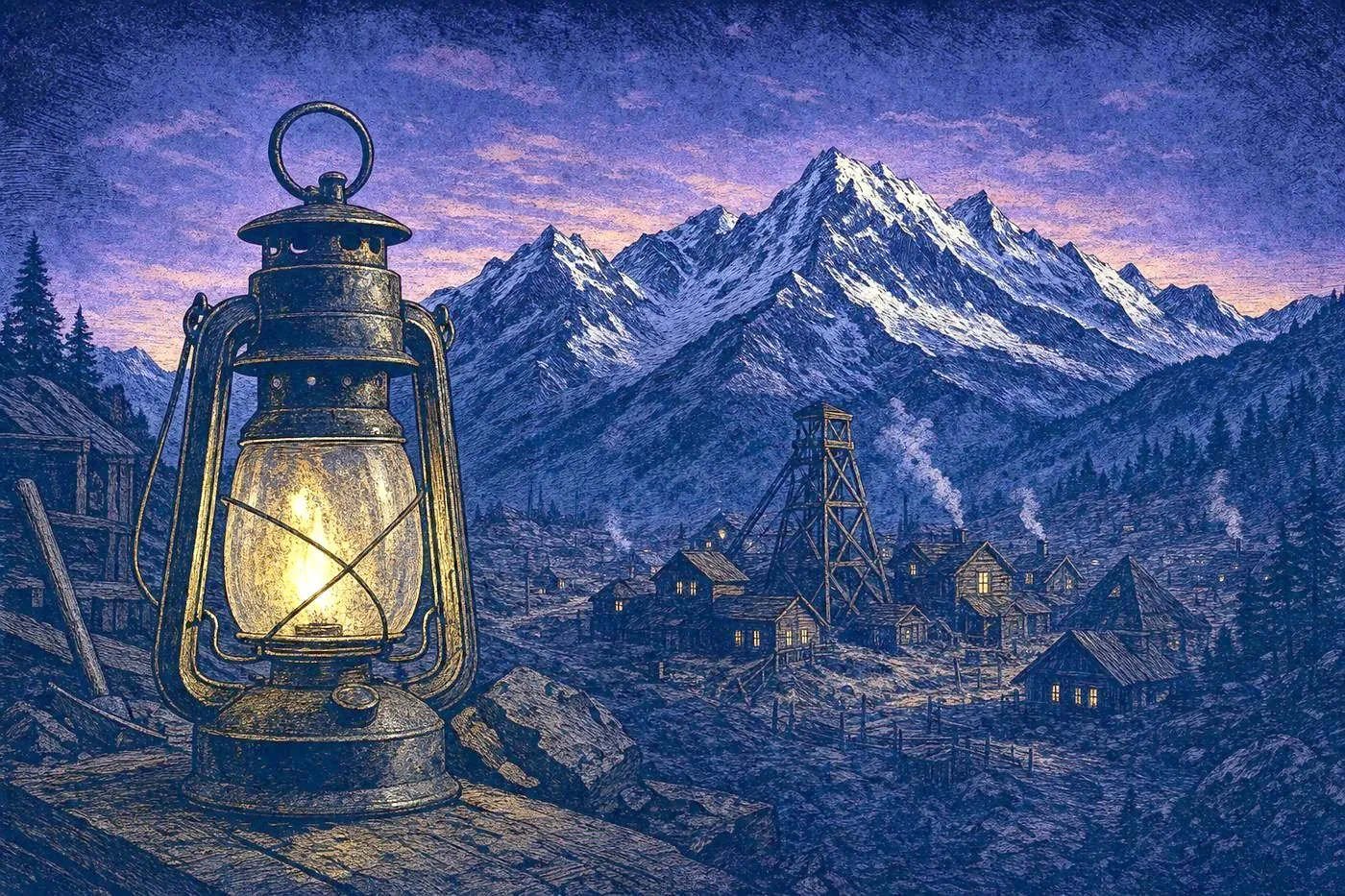
This Colorado history timeline traces the state from its earliest Indigenous inhabitants through Spanish colonial exploration, the transformative Gold Rush of 1859, statehood in 1876, and the modern era of economic diversification.
Early Colorado: Indigenous Peoples and Spanish Exploration
Long before European settlement, Colorado was home to Ancestral Puebloan peoples, who built sophisticated settlements in the southwest, and later to Ute, Arapaho, and Cheyenne nations whose hunting grounds and trade routes extended across the mountains and plains. Spanish explorers began entering the region in the early 18th century, seeking furs and trade routes, establishing a colonial presence that lasted until Mexican independence in 1821. The territory that would become Colorado changed hands multiple times: from Spain to Mexico, then to the United States following the Mexican-American War of 1848, with each transition bringing new settlers and economic pressures on Indigenous peoples. By the 1850s, Colorado remained largely a frontier region, sparsely settled except for small trading posts and seasonal camps.

The Gold Rush and Rapid Statehood, 1859–1876
The discovery of gold near Denver in 1859 transformed Colorado overnight. Thousands of prospectors flooded the territory, establishing mining camps that quickly grew into towns. Denver itself expanded from a small trading post to a bustling city serving as the supply hub for miners in the surrounding mountains. The rush brought rapid infrastructure development, including roads, supply lines, and eventually railroads, and it forced the displacement of Indigenous peoples from their ancestral territories. The economic boom, combined with growing population, accelerated Colorado’s push toward statehood. In 1876, exactly one hundred years after American independence, Colorado entered the Union as the 38th state, earning the nickname “Centennial State.” The timing was symbolic: the state represented westward expansion at its height and American industrial confidence at a transformative moment.
Railroad Expansion and Modern Colorado
Following statehood, railroad construction became the engine of Colorado’s economic consolidation. Lines connecting Denver to the mining towns of the mountains, and eventually to the East Coast, made Colorado’s resources accessible to national markets and spurred further settlement and development. The railroads brought capital investment, permanent communities, and permanent labor forces to previously isolated regions. By the early 20th century, Colorado’s economy was dominated by mining, cattle ranching, and agriculture. In the decades following World War II, the state gradually diversified: tourism to mountain attractions and ski resorts grew; the U.S. military and defense contractors established major installations; and technology companies began relocating to Denver. By the 21st century, Colorado had evolved from a single-resource economy into a modern, diversified state with a thriving metropolitan center in Denver and a reputation as a hub for outdoor tourism, aerospace, and software development.
Frequently Asked Questions
What was the primary reason for Colorado's rapid settlement?
The 1859 Gold Rush near Denver was the primary catalyst for rapid settlement. The discovery of gold triggered one of the largest gold rushes in American history, transforming Colorado from a sparsely populated frontier into a booming territory with thousands of settlers within a few years.
Why is Colorado called the "Centennial State"?
Colorado earned the nickname "Centennial State" because it was admitted to the Union on August 1, 1876, exactly one hundred years after American independence in 1776.
What role did railroads play in Colorado's development?
Railroads were essential to Colorado's growth in the late 1800s. They connected mining towns to national markets, enabled the transport of ore and supplies, and made remote mountain regions accessible to permanent settlement and investment.
How has Colorado's economy changed since statehood?
Colorado's economy has shifted from mining and agriculture to a diversified modern base including tourism, outdoor recreation, defense, aerospace, and technology, particularly in the Denver metropolitan area.