
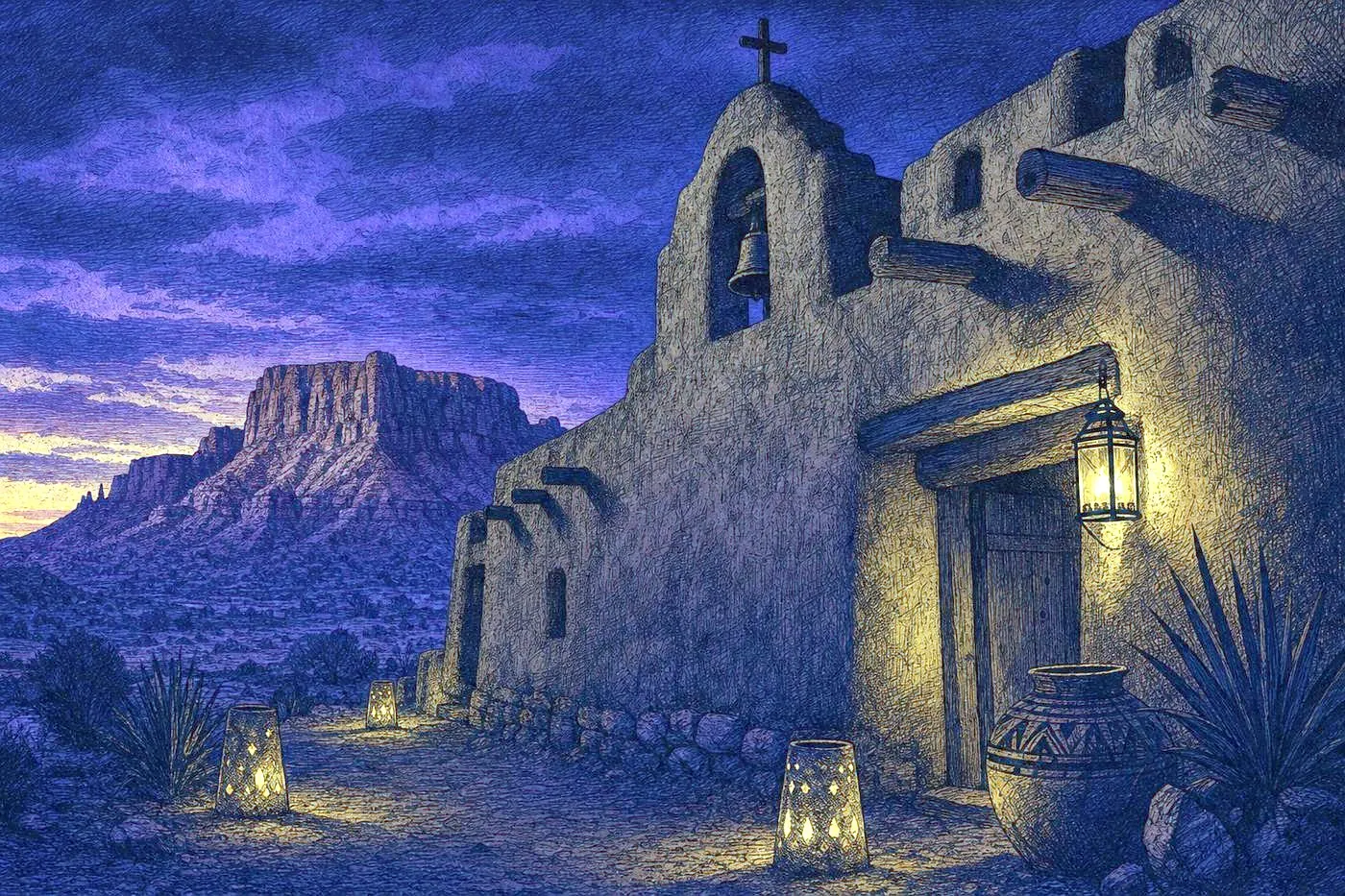
This New Mexico history timeline documents the state’s distinctive path from advanced Pueblo civilizations and Apache Nations through Spanish colonial rule, Mexican independence, American territorial period, and finally statehood in 1912. New Mexico’s history reflects centuries of Indigenous cultures, European colonization, and cross-border cultural exchange.
Pueblo Civilizations and Spanish Colonization
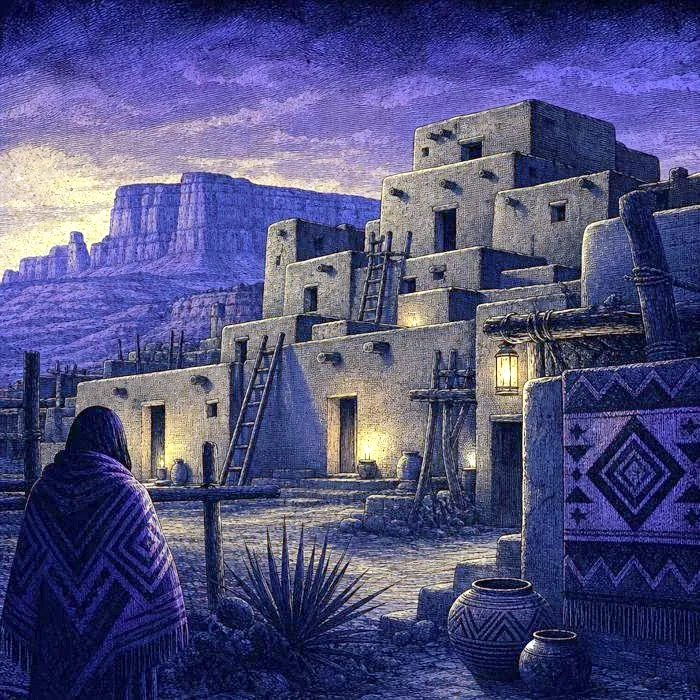
The region that became New Mexico was home to the Pueblo peoples, who built sophisticated communities along the Rio Grande valley, developing distinctive pueblos, agricultural techniques, and artistic traditions. The broader region was also inhabited by Apache Nations, including the Navajo, who maintained hunting and trading lifestyles. Spanish explorers entered the region in the 1500s seeking gold and seeking to spread Catholicism. In 1610, Spanish colonist Pedro de Peralta founded Santa Fe on the Rio Grande as the capital of the Spanish colonial province, making it the second-oldest continuously occupied European settlement in what is now the United States, after St. Augustine, Florida. Spanish rule brought Christianity, the Spanish language, and forced labor systems that disrupted Pueblo life. In 1680, in one of the most successful Indigenous revolts against European colonizers in North American history, Pueblo Nations led by Po’pay rose up and drove Spanish settlers out of New Mexico for 12 years. Spanish forces returned and reconquered the territory in 1692, but the rebellion demonstrated Indigenous resistance and resulted in some accommodation of Pueblo practices.
Mexican Period and the U.S.-Mexican War
Following Mexican independence from Spain in 1821, New Mexico became a Mexican territory. This shift opened new economic possibilities: the Santa Fe Trail, opened in 1821, brought American traders and goods into the region, gradually increasing U.S. economic influence. The Mexican period lasted only 27 years. After tension and border disputes, the United States declared war on Mexico in 1846. The war concluded with the Treaty of Guadalupe Hidalgo in 1848, which ceded New Mexico (as well as California and other territories) to the United States. By the terms of the treaty, the Mexican population in the ceded territories was offered the choice to become U.S. citizens or return to Mexico; most remained. New Mexico Territory was officially organized in 1851, with Santa Fe as its capital.
Territorial Period and Statehood
For 64 years, New Mexico remained a U.S. territory rather than a state, a longer period than most other western territories. During this time, the region experienced cattle ranching booms, mining development, railroad construction, and immigration. The Apache Wars, led by leaders like Geronimo, continued into the 1880s as the U.S. government worked to relocate Apache Nations to reservations. New Mexico’s distinctive cultural blend (Pueblo, Hispanic, Apache, and Anglo-American) made it demographically and culturally unique among U.S. territories. On January 6, 1912, New Mexico was finally admitted to the Union as the 47th state, the same year as its neighbor Arizona. This admission completed the continental expansion of the United States and marked the end of the territorial period. Today, New Mexico remains culturally distinctive, with Spanish, Pueblo, and Apache influences visible throughout its architecture, cuisine, language, and traditions.