This Australia history timeline traces the continent’s story from tens of thousands of years of Aboriginal occupation through British colonization to the formation of a modern federated nation.
Ancient Origins and Aboriginal Australia
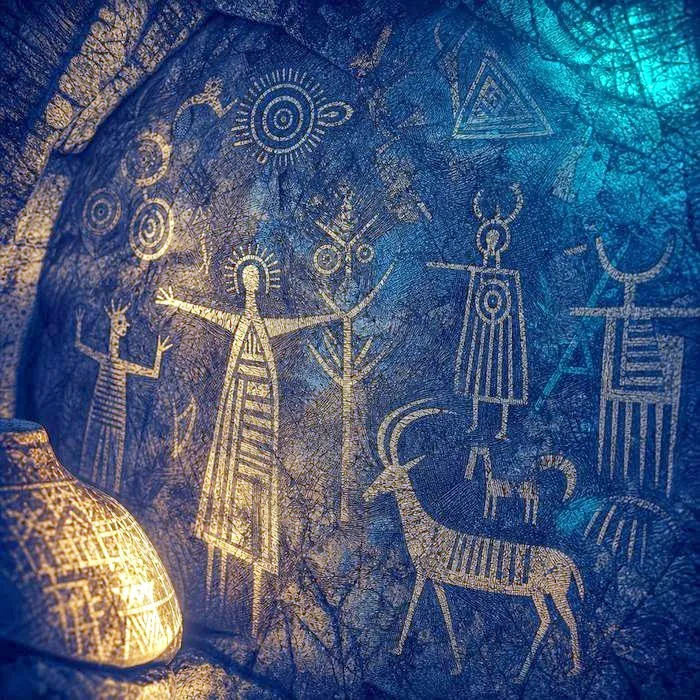
Aboriginal Australians are believed to have arrived on the continent at least 65,000 years ago, based on archaeological findings such as those at the Madjedbebe rock shelter in the Northern Territory, though estimates vary among researchers. Over tens of thousands of years, hundreds of distinct Aboriginal nations and language groups developed sophisticated knowledge of land management, seasonal cycles, and complex kinship and spiritual systems, often described as the world’s oldest continuous living culture. Torres Strait Islander peoples, from the islands between Australia and Papua New Guinea, developed related but distinct maritime cultures. Long before European contact, Aboriginal Australians practiced land-care techniques, including controlled fire management, and maintained extensive trade and cultural networks across the continent. Aboriginal spiritual life centered on the Dreaming, a body of belief explaining the creation of the land and its features and governing law, ceremony, and relationships to country that continues to shape Aboriginal identity today. Dutch navigators charted parts of the coastline in the 17th century, calling it New Holland, but no European power established a permanent settlement until the late 18th century.
British Colonization and Its Impact
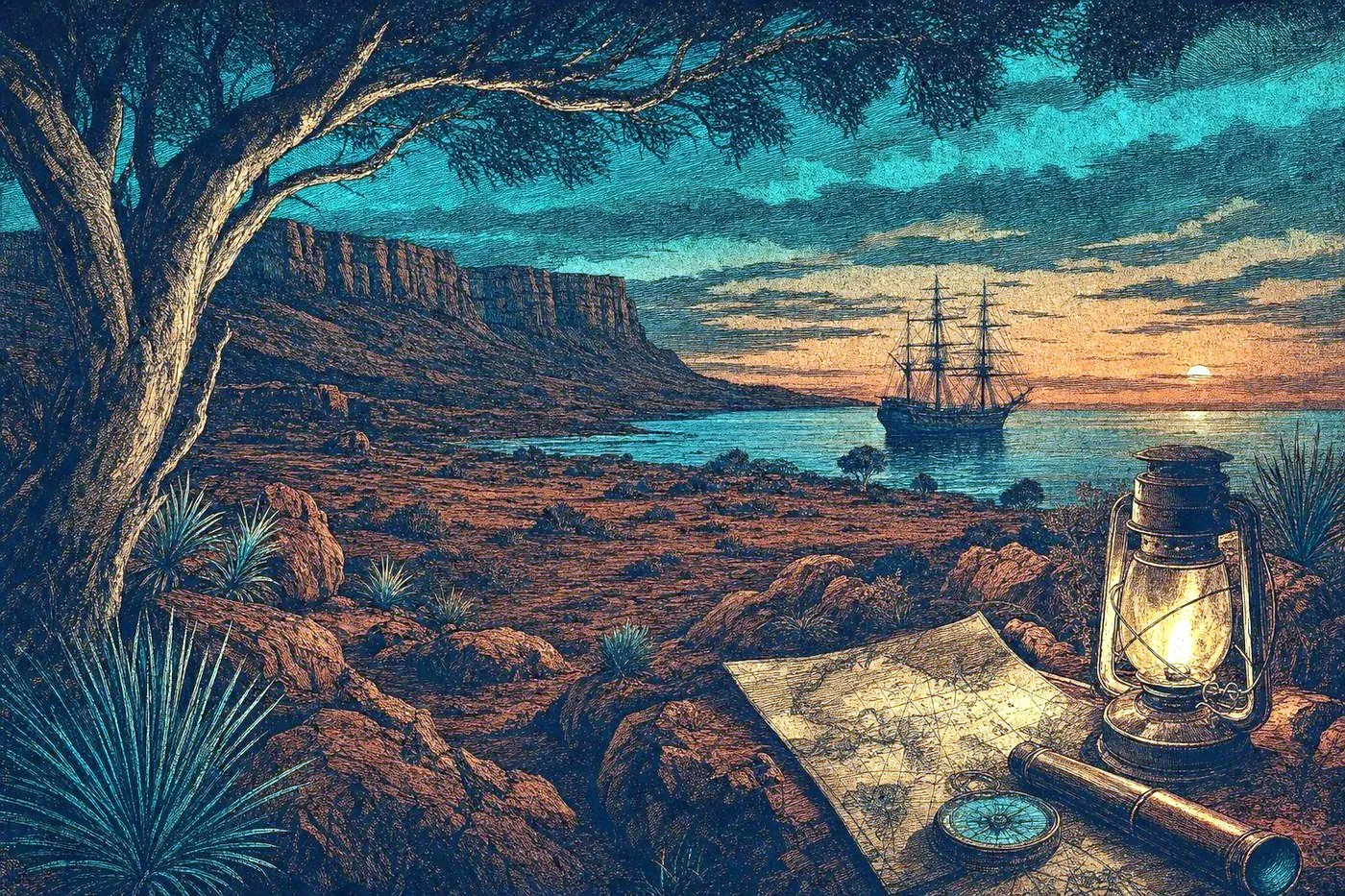
In 1770, Captain James Cook charted Australia’s eastern coastline aboard HMS Endeavour and claimed it for Britain, disregarding the presence of Aboriginal inhabitants. In 1788, Captain Arthur Phillip led the First Fleet of eleven ships into Port Jackson, founding a British penal colony that became Sydney. Colonization had devastating consequences for Aboriginal Australians: introduced diseases, violent frontier conflict, and dispossession from traditional lands sharply reduced Aboriginal populations over the following century, and government policies in the 19th and 20th centuries, including the forced removal of children who became known as the Stolen Generations, caused lasting intergenerational harm. Free settlement expanded alongside the penal system, and additional colonies were established at Van Diemen’s Land (Tasmania), Western Australia, South Australia, Victoria, and Queensland over the following decades. The discovery of gold in New South Wales and Victoria in 1851 triggered mass migration from Britain, Europe, and China, rapidly growing the colonial population and economy and hastening the end of large-scale convict transportation.
Federation and Modern Australia
Through the second half of the 19th century, the six British colonies developed their own governments while debating closer union. On 1 January 1901, they federated to form the Commonwealth of Australia, a self-governing dominion within the British Empire with its own constitution and parliament. For decades afterward, Aboriginal Australians were largely excluded from citizenship rights and often not counted in official population figures. This changed significantly in 1967, when a national referendum passed with overwhelming public support, amending the constitution to count Aboriginal people in the census and allow the federal government to legislate on their behalf. Australia fought as a dominion within the British Empire in both World Wars, and the 1915 Gallipoli campaign, though a military defeat, became a defining moment in national identity, still commemorated annually on Anzac Day. Postwar decades brought large-scale immigration from Europe and later Asia, gradually transforming Australia into one of the world’s more multicultural societies as the restrictive “White Australia” immigration policy was progressively dismantled between the 1950s and 1970s. Later decades brought further steps toward reconciliation, including the 1992 Mabo court decision recognizing native title and a formal government apology to the Stolen Generations in 2008. Today, Australia is a multicultural federal democracy still working to reconcile its ancient Aboriginal heritage with its history as a British settler colony.