This renaissance timeline of events traces the rebirth of art, learning, and classical thought that began in Florence and gradually reshaped culture across Europe. Historians still debate exact start and end dates for the Renaissance, and there is no single agreed year for either boundary, but the broad arc, from early Italian humanism to the continent-wide spread of new ideas, is well documented and forms the backbone of this renaissance timeline.
The Renaissance Timeline: Origins in Florence
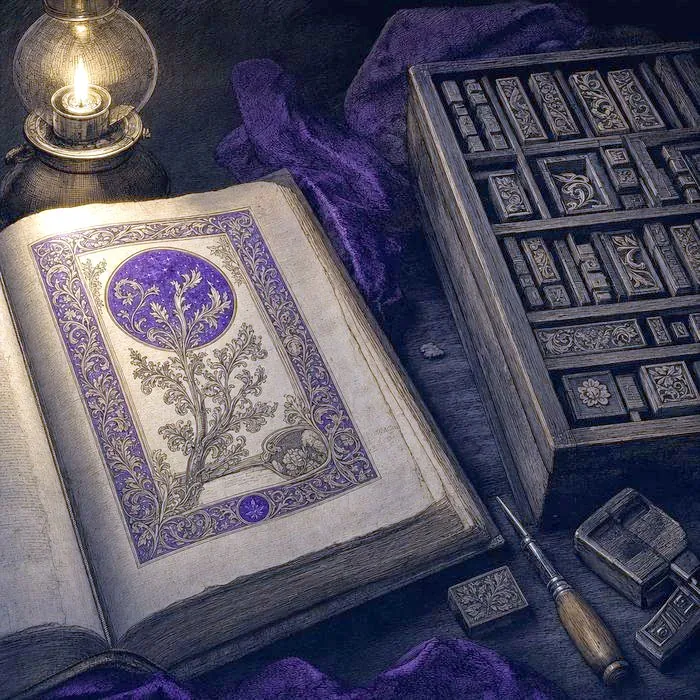
The story most often used to open a renaissance timeline begins in Florence, Italy, in the 1300s, where the poet and scholar Petrarch is widely credited with laying the groundwork for Renaissance humanism: a renewed interest in classical Latin and Greek texts, and in human potential and achievement, rather than purely religious subject matter. This proto-humanist thinking took root slowly across the 14th century before flowering into the artistic and intellectual movement historians call the Renaissance. A second pivotal moment on any renaissance timeline of events arrived in the 1440s, when Johannes Gutenberg’s printing press made books dramatically cheaper and faster to produce. Ideas that had previously spread through hand-copied manuscripts and small scholarly networks could now travel further and faster, accelerating the spread of humanist thought well beyond Florence’s city walls and setting up the artistic flowering that followed.
Renaissance Art and the High Renaissance in Italy
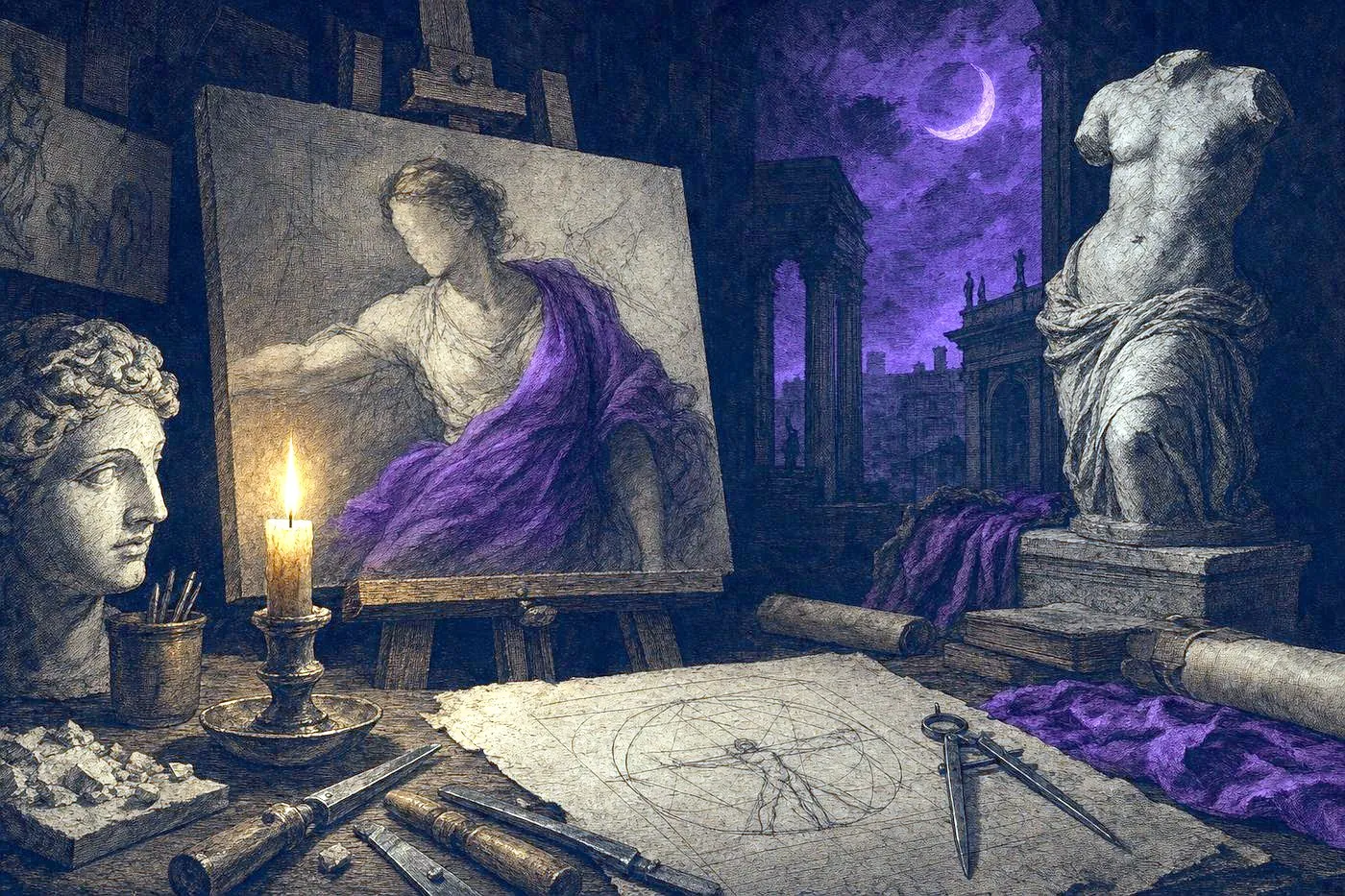
By the late 1400s and into the early 1500s, Italy entered what is usually called the High Renaissance, the period most closely associated with Renaissance art at its peak. Leonardo da Vinci, Michelangelo, and Raphael were all active during these decades, producing work that ranged from Leonardo’s studies of anatomy and perspective, to Michelangelo’s sculpture and frescoes, to Raphael’s paintings, and that set the standard for Western art for centuries afterward. This burst of artistic achievement is the section of the renaissance timeline most people picture first: painters and sculptors working in Florence, Rome, and other Italian cities, backed by wealthy patrons who treated art and scholarship as markers of status and civic pride.
Wealthy families and institutions, most famously the Medici in Florence and a series of Renaissance popes in Rome, competed to commission the era’s leading artists, funding chapels, palaces, and private collections that turned art patronage into a form of political and social prestige. That patronage system helps explain why so much surviving Renaissance art is concentrated in a handful of Italian cities: the money and the ambition to commission it were concentrated there too. The techniques refined during this period (linear perspective, anatomical accuracy, classical proportion) became foundational to European art long after the Italian Renaissance itself had faded, studied by art students for centuries as the technical baseline for realistic painting and sculpture.
The European Renaissance Timeline: Ideas Spread Across Europe
From the 1490s into the early 1500s, Renaissance humanism and Renaissance art moved north, producing what historians call the Northern Renaissance. Scholars such as Erasmus of Rotterdam applied humanist methods to religious and classical texts, while Northern European painters, including Jan van Eyck slightly earlier and Albrecht Dürer during this period, developed their own distinct approach to Renaissance art, prized for its precision and detail. This northward movement is the backbone of any european renaissance timeline: it shows the Renaissance was never confined to Italy, but became a shared, continent-wide shift in how art, religion, and learning were understood.
In 1517, Martin Luther’s 95 Theses set off the Reformation, a religious upheaval that historians generally place at the tail end of the Renaissance era, overlapping with and eventually reshaping it. Through the mid-to-late 1500s and into the 1600s, Renaissance ideas kept spreading across Europe, reaching England during the era of Shakespeare, along with France and Spain, before gradually giving way to the Baroque style. Because the Renaissance emerged gradually and faded gradually, historians disagree on precise boundaries: some place the european renaissance timeline as starting in the 1300s and others prefer the 1400s, and its end is treated even more loosely, sometimes extended into the early 1600s depending on the region and the art form under discussion. What is well established, on any credible renaissance timeline of events, is the overall progression: an Italian beginning, a European-wide spread of art and ideas, and a gradual transition toward the Baroque.
Frequently Asked Questions
What does this renaissance timeline cover?
This renaissance timeline covers the movement's roots in 14th-century Florence, the impact of Gutenberg's printing press, the High Renaissance art of Leonardo, Michelangelo, and Raphael, the Northern Renaissance, Martin Luther's 1517 95 Theses, and the continued spread of Renaissance ideas across Europe into the 1600s.
When did the Renaissance begin and end?
There is no single agreed date. Most historians place the beginning in Italy in the 1300s, building through the 1400s, while the end is often placed somewhere in the 1600s as the Baroque style took over; the exact boundaries are genuinely debated rather than fixed.
What was the Northern Renaissance?
The Northern Renaissance describes how Renaissance humanism and art spread from Italy to Northern Europe from the 1490s onward, associated with figures such as the scholar Erasmus and painters including Jan van Eyck and Albrecht Dürer.
Why is 1517 included on a renaissance timeline of events?
1517 marks Martin Luther's 95 Theses, which triggered the Reformation. Historians often place this near the tail end of the Renaissance era, since the religious upheaval it caused overlapped with, and eventually reshaped, Renaissance-era Europe.