
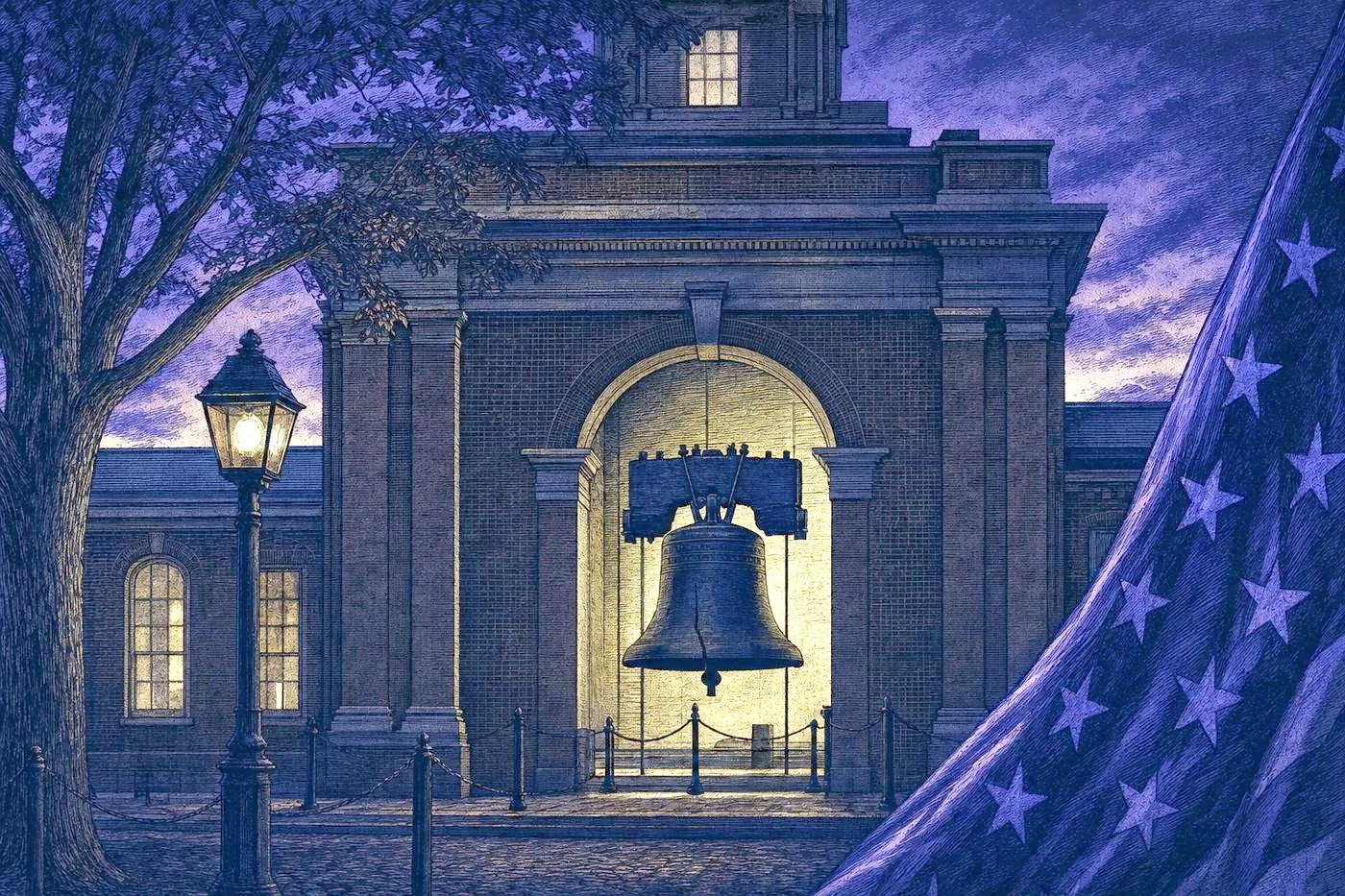
This Pennsylvania history timeline chronicles the state’s role as the birthplace of American independence, the cradle of constitutional democracy, and a driving force in the nation’s industrial development.
Founding Principles and the Colonial Era
Pennsylvania’s history begins distinctly with William Penn, who received a royal charter from King Charles II in 1681 to establish a colony as a “Holy Experiment” based on Quaker principles. Penn envisioned a commonwealth built on religious tolerance, democratic governance, and peaceful coexistence with Native American nations: principles extraordinarily progressive for colonial America. In 1682, Penn founded Philadelphia, which grew rapidly to become one of the largest and wealthiest colonial cities. The city’s strategic location on the Delaware River, combined with Pennsylvania’s agricultural wealth and natural resources, made it a hub of commerce and intellectual activity. Penn’s treaties with local Indigenous nations in 1683, negotiated on terms of mutual respect rather than coercion, reflected the colony’s founding ideals, though European settlement ultimately displaced these nations from their homelands.

American Independence and Constitutional Founding
Pennsylvania’s significance to American history reached its apex in the Revolutionary era. Philadelphia, as the largest city in the young nation, became the seat of the Continental Congress. On July 4, 1776, the Congress adopted the Declaration of Independence in Philadelphia, formally announcing the thirteen colonies’ intention to break from British rule. The document, drafted largely by Thomas Jefferson and debated by delegates including Benjamin Franklin and John Hancock, articulated the philosophical foundation for American independence. A decade later, Philadelphia again hosted a defining national moment: the Constitutional Convention of 1787. Delegates from twelve states gathered in the State House to draft the U.S. Constitution, the governing document that established the framework for the federal republic. Pennsylvania’s own ratification on December 12, 1787, as the second state, helped secure the Constitution’s legitimacy.
Industrial Growth and Modern Pennsylvania
The 19th century transformed Pennsylvania from a commercial and intellectual center into the heart of American industrial manufacturing. Abundant coal deposits in western Pennsylvania, combined with iron ore from the north and technological innovation, made the state the nation’s leading producer of iron and steel. Steel from Pennsylvania’s mills built America’s railroads, skyscrapers, and infrastructure. Pittsburgh became synonymous with steel production, while Philadelphia remained a major manufacturing and financial center. The 20th century saw Pennsylvania’s economic transition away from heavy industry, with the state now embracing healthcare, education, technology, and services sectors while honoring its industrial heritage.
Frequently Asked Questions
Who founded Pennsylvania and why?
William Penn, a Quaker, received a royal charter in 1681 to establish Pennsylvania as a "Holy Experiment" based on religious tolerance and peaceful governance. He founded Philadelphia in 1682, which became a major colonial city and intellectual center.
Where was the Declaration of Independence signed?
The Declaration of Independence was adopted by the Continental Congress on July 4, 1776, in Philadelphia, Pennsylvania. The document was drafted over several weeks of debate among the delegates.
What was the Constitutional Convention?
The Constitutional Convention took place in Philadelphia in 1787, where delegates from twelve states drafted the U.S. Constitution. Pennsylvania was the second state to ratify the Constitution on December 12, 1787.
Why was Pennsylvania important to American industry?
Pennsylvania's vast coal and iron ore deposits, combined with strategic location and technological innovation, made it the center of American steel production for over a century. Steel from Pennsylvania mills built much of America's industrial infrastructure.