This reformation timeline of events opens with a single German monk’s objection to church practice and closes more than a century later with a Europe permanently divided between Catholic and Protestant states: a protestant reformation timeline that reshaped Western Christianity’s history.
Reformation Timeline: Luther and the Challenge to Church Authority
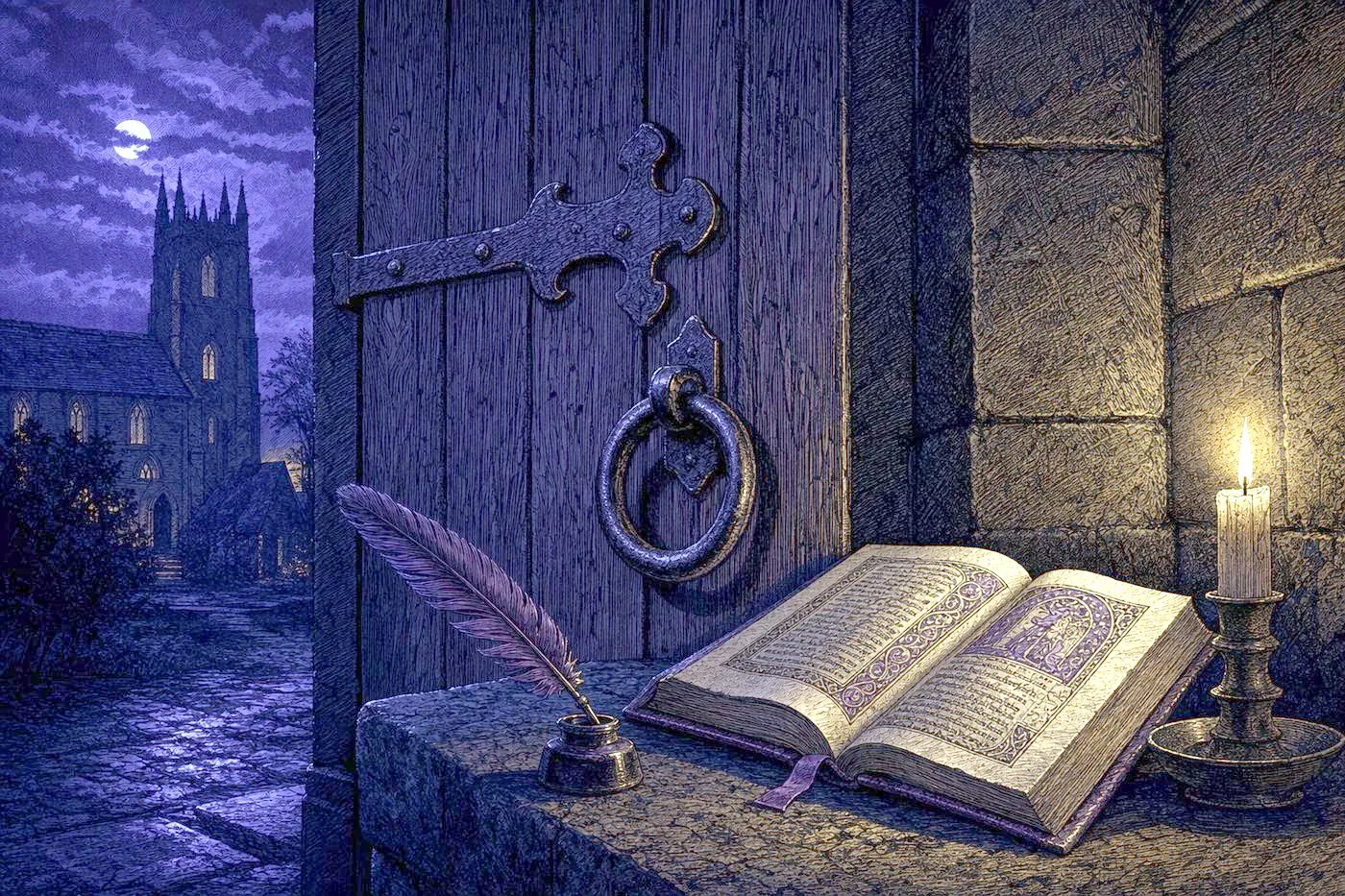
The Reformation began as a dispute within the Catholic Church over doctrine and practice before growing into a movement that permanently divided Western Christianity. In 1517, Martin Luther, a monk and theology professor at the University of Wittenberg, published his 95 Theses, a set of arguments objecting chiefly to the church’s sale of indulgences, which offered reduced punishment for sin in exchange for payment. Tradition holds that Luther nailed the document to the door of Wittenberg’s Castle Church, then a common way of announcing an academic debate, though historians note the precise details of the event are not fully documented. Luther’s arguments, amplified by the recent spread of the printing press, circulated quickly across German-speaking lands and drew both support and fierce opposition from Catholic authorities. In 1521, Luther was summoned before an imperial assembly known as the Diet of Worms and refused to recant his writings; he was subsequently declared an outlaw of the Holy Roman Empire, but sympathetic German princes sheltered him, allowing him to continue writing and to translate the New Testament into German: an early milestone this protestant reformation timeline returns to again and again.
A Fractured Protestant Europe
Reform movements soon developed independently elsewhere in Europe, drawing on similar theological concerns but taking distinct forms. In Switzerland, Huldrych Zwingli led reforms centered in Zurich, and later John Calvin developed an influential and more systematic Protestant theology based in Geneva, which shaped Reformed and Presbyterian traditions across Europe. In England, the break from Rome followed a different path: King Henry VIII’s 1534 Act of Supremacy declared the English monarch head of the Church of England, a move driven partly by disputes over Henry’s marriage and succession as well as broader currents of reform. By the mid-16th century, Protestant movements of various kinds had taken hold across large parts of Germany, Scandinavia, Switzerland, England, and the Netherlands, while Catholicism remained dominant in southern Europe.
Counter-Reformation and the History of Decades of Religious War
The Catholic Church responded with its own program of internal reform and doctrinal clarification, known as the Counter-Reformation. Convened in 1545, the Council of Trent met over nearly two decades to address clerical corruption, reaffirm core Catholic doctrine against Protestant challenges, and strengthen church discipline and education. Religious division within the Holy Roman Empire was addressed, imperfectly, by the 1555 Peace of Augsburg, which allowed individual rulers to determine whether their territories would be Catholic or Lutheran, though it left other Protestant groups, such as Calvinists, unrecognized. This reformation timeline of events reaches its violent culmination in the Thirty Years’ War, beginning in 1618, a devastating conflict that drew in most major European powers and combined religious rivalry with dynastic and territorial ambitions. The war ended with the 1648 Peace of Westphalia, which reaffirmed rulers’ authority over religion in their territories and is often regarded as marking the end of the Reformation era’s major religious history, even as the confessional divisions it produced persisted across Europe for centuries.
Frequently Asked Questions
What were Luther's 95 Theses about?
They were primarily objections to the church's sale of indulgences, along with related concerns about church practice and authority, and they sparked the wider theological debate this protestant reformation timeline traces across Europe.
Why did England break from the Catholic Church?
King Henry VIII's 1534 Act of Supremacy declared him head of the Church of England, a decision tied to disputes over his marriage and royal succession as well as broader currents of religious reform.
What was the Counter-Reformation?
It was the Catholic Church's internal reform movement, formally launched with the 1545 Council of Trent, aimed at correcting clerical abuses, clarifying doctrine, and countering the spread of Protestantism.
When did the Reformation end?
There is no single end date, but this reformation timeline of events often closes with the 1648 Peace of Westphalia, which ended the Thirty Years' War, even though the religious divisions it produced persisted for centuries.